Blog
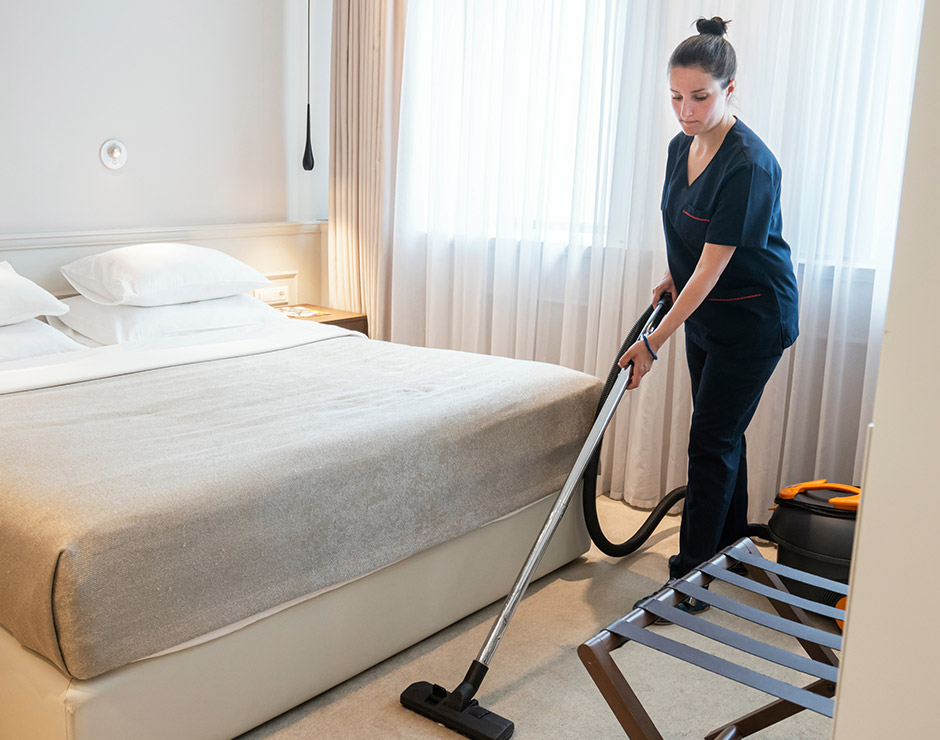
Cleaning company pricing varies so much because the cost of delivering a professional clean depends on several interconnected factors: the size and type of premises, the frequency and scope of work, labour costs, equipment, and the business model behind the company itself. Even two quotes for the same office can differ by a wide margin if one provider uses higher-grade products, employs staff on fair permanent contracts, or carries more comprehensive insurance. The sections below unpack each of the key questions buyers ask when comparing cleaning service costs.
What factors actually drive cleaning company prices?
Cleaning company pricing is primarily driven by labour, frequency, scope of work, products used, and overhead costs. Labour is the single largest cost component in any cleaning service, which means anything that affects how long a job takes or how many staff are required will directly shape the final price. Frequency matters too: a daily maintenance clean is priced differently from a one-off visit.
Beyond labour, the following factors all influence what you pay:
- Premises size and layout: More floor area, more rooms, or complex layouts mean more time on site.
- Cleaning frequency: Regular contracts are often more cost-efficient per visit than ad hoc bookings.
- Scope of services: Basic vacuuming and surface wiping cost less than a contract that includes window cleaning, floor polishing, or overhead dusting.
- Products and equipment: Ecological or specialist cleaning products carry a higher unit cost than standard chemicals.
- Insurance and compliance: Reputable providers carry liability insurance and meet workplace safety standards, both of which are built into their pricing.
- Staff employment model: Companies that employ staff on permanent contracts with fair wages have predictable, higher labour costs than those relying on casual or zero-hours workers.
Understanding these drivers helps you read a quote critically rather than simply comparing the bottom-line figure.
Why do some cleaning companies charge significantly more than others?
Higher-priced cleaning companies typically charge more because they invest more in people, products, and processes. A company paying staff a fair wage on a permanent contract, using ecological cleaning products, carrying comprehensive insurance, and providing ongoing training will have a structurally higher cost base than one that cuts corners on any of those fronts.
Price differences also reflect the business model. Some providers operate as social enterprises, reinvesting profits into employee training and career development rather than extracting them as shareholder returns. This creates a different cost structure and a different value proposition. Carestep, for example, channels profits into opening career pathways for people facing employment barriers, which shapes how the company is run and what clients ultimately pay for.
Other factors that push prices higher include dedicated account management, flexible scheduling, and consistent staffing. When a client is assigned a regular cleaner who knows the premises well, the quality outcome tends to be better and the coordination effort lower, but that consistency has a cost that cheaper, high-turnover operations do not carry.
What’s the difference between maintenance cleaning and deep cleaning costs?
Maintenance cleaning and deep cleaning differ in scope, time, and therefore cost. Maintenance cleaning covers routine tasks carried out regularly, such as vacuuming, mopping, surface wiping, and restroom cleaning, and is priced as a recurring service. Deep cleaning is a more intensive, less frequent intervention that addresses areas not covered in routine visits, and it costs more per session because it takes significantly longer.
In practice, the cost difference reflects the work involved:
- Maintenance cleaning is designed to keep premises in good day-to-day condition. It is typically priced per visit or as a monthly contract, and the rate per visit tends to decrease as frequency increases.
- Deep cleaning includes tasks such as descaling, degreasing kitchen surfaces, cleaning behind and underneath equipment, washing walls, and thorough disinfection. Because it is labour-intensive and often requires specialist equipment, the hourly or per-session rate is higher.
- Periodic cleaning sits between the two: scheduled interventions like floor waxing, window cleaning, or overhead dusting that complement the regular maintenance programme.
Most commercial cleaning contracts combine all three layers, and understanding how each is priced separately helps you build a specification that matches your actual needs rather than paying for services you do not require.
How does the type of premises affect cleaning service pricing?
The type of premises is one of the most significant variables in commercial cleaning rates, because different environments have different cleaning requirements, risk levels, and regulatory expectations. A restaurant kitchen, a fitness club, a retail floor, and a corporate office all need different approaches, and those differences translate directly into price.
Key ways premises type affects pricing include:
- Hygiene standards: Food preparation and healthcare-adjacent environments require disinfectant cleaning and stricter protocols, which increases both time and product costs.
- Foot traffic: High-traffic spaces like retail stores or gyms accumulate dirt faster, often requiring more frequent visits or more intensive cleaning per session.
- Specialist surfaces: Warehouses with large hard floors may need machine-assisted cleaning; gyms require equipment sanitisation; offices with glass partitions add window cleaning to the scope.
- Access and scheduling constraints: Premises that can only be cleaned outside business hours, or that require security clearance, add logistical complexity that providers price accordingly.
- Size and layout complexity: Open-plan spaces clean faster per square metre than premises with many small rooms, corridors, or stairwells.
When requesting cleaning company quotes, being precise about your premises type, floor area, and any specialist requirements will produce more accurate and comparable pricing.
Should you choose the cheapest cleaning company quote?
Choosing the cheapest cleaning company quote is rarely the right decision, because the lowest price almost always reflects a trade-off somewhere: lower-paid or less stable staff, cheaper products, less insurance coverage, or reduced service scope. The real question is not which quote is cheapest, but which offers the best value for the standard of service your premises actually needs.
A low quote that results in inconsistent cleaning, high staff turnover, or damage to surfaces or equipment will cost more to remedy than a slightly higher quote from a reliable provider. When evaluating commercial cleaning rates, consider:
- What is included: Does the quote cover all the tasks you need, or are key services excluded and priced separately?
- Staff continuity: Will you have a consistent cleaner who knows your premises, or a rotating roster?
- Products used: Are the cleaning products appropriate for your surfaces and compliant with any environmental commitments you have?
- Communication and flexibility: Can the provider adapt quickly to changes in your schedule or specific requests?
- Values alignment: For organisations with sustainability or social responsibility commitments, a provider whose business model reflects those values adds a dimension of value that does not appear in the price comparison.
A cleaning service is an ongoing working relationship, not a one-time transaction. The cheapest quote at the start often becomes the most expensive arrangement once you factor in the time spent managing problems, requesting re-cleans, or switching providers. Paying a fair price for a well-run, accountable cleaning partner is consistently the more cost-effective choice over time.
This content was generated with the help of AI and it may contain mistakes
Published September 2, 2026