Blog
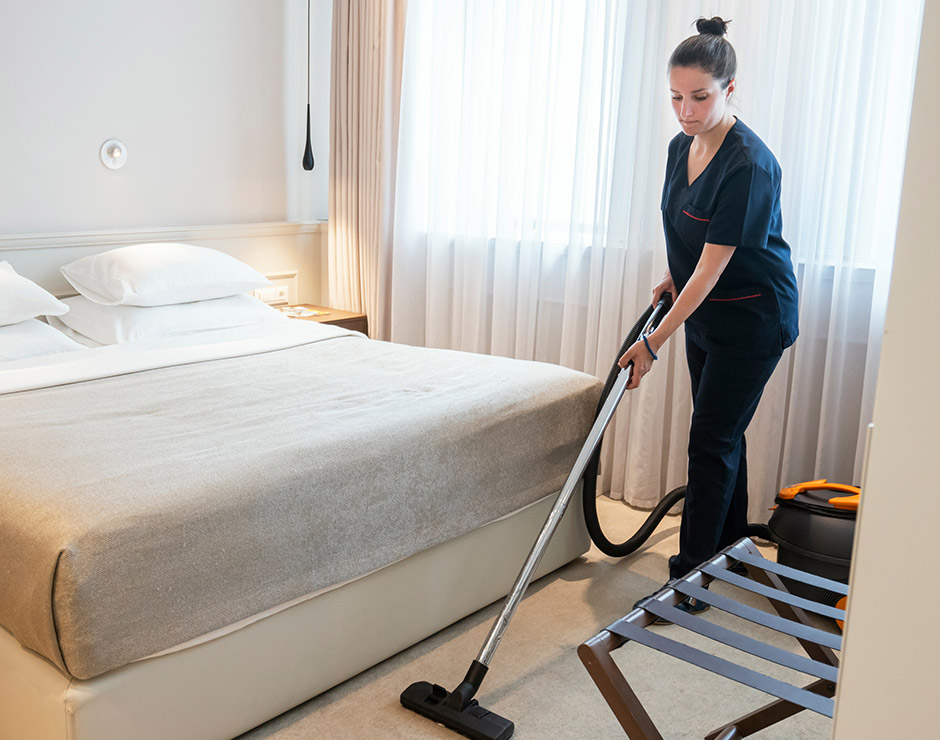
A professional cleaner needs to know your premises type because the surfaces, usage patterns, and hygiene requirements of a restaurant, office, warehouse, or fitness club are fundamentally different from one another. Using the wrong methods or products in the wrong environment can damage surfaces, leave residues that pose health risks, or simply fail to meet the standards the space demands. The questions below unpack exactly why premises type shapes every decision a professional cleaner makes.
How does premises type affect the cleaning methods used?
Premises type directly determines which cleaning methods are appropriate because different environments accumulate different types of soil, face different levels of foot traffic, and contain surfaces with different tolerances. A restaurant kitchen requires degreasing and sanitising on food-contact surfaces, while a warehouse floor needs heavy-duty scrubbing rather than the gentle mopping suited to a polished office reception area.
In an office setting, the priority is dust control, screen cleaning, and maintaining a fresh, presentable environment with minimal disruption to equipment and paperwork. A fitness club, by contrast, demands frequent disinfection of high-touch equipment and changing room facilities where bacteria and fungi spread rapidly through sweat and moisture. Retail stores require attention to display surfaces, fitting rooms, and high-traffic floor zones that scuff and soil quickly.
The physical structure of a space matters too. Open-plan warehouses call for machinery such as ride-on scrubbers, while a compact restaurant kitchen requires manual cleaning with specialised degreasers applied by hand to reach every corner. Applying a single universal method across these environments would produce poor results in most of them. A skilled professional cleaner assesses the premises type first and selects methods that match the actual conditions on site.
What cleaning products are safe for different types of premises?
The right cleaning products depend on the surfaces present, the activities carried out in the space, and any regulatory requirements that apply. Food-safe, fragrance-free disinfectants are required in restaurant and catering environments to avoid contaminating food preparation areas, while industrial degreasers used in those same kitchens would be entirely inappropriate on the sealed wood floors of a boutique office.
In premises where vulnerable people are present, such as healthcare-adjacent facilities or childcare settings, products must meet strict safety thresholds and carry appropriate certifications. Fitness clubs benefit from fast-acting, broad-spectrum disinfectants that neutralise pathogens on rubber, metal, and vinyl without degrading the material over time.
Ecological cleaning products are increasingly the standard across commercial premises, and for good reason. They reduce chemical exposure for both cleaners and building occupants, lower environmental impact, and often perform as well as conventional alternatives when applied correctly. A professional cleaner who understands your premises type can select products that are both effective for your specific soil types and safe for the surfaces and people in your space.
How does a cleaner adjust their schedule to match the premises?
A professional cleaner adjusts their schedule based on when the premises are in use, how quickly they accumulate soil, and which tasks must happen at specific times to avoid disrupting operations. A restaurant may need cleaning between service periods or late at night after the kitchen closes, while an office is typically cleaned in the early morning or evening to avoid interrupting the working day.
High-traffic premises such as retail stores or fitness clubs may require multiple cleaning visits per day for washrooms and entrance areas, with deeper periodic cleaning scheduled weekly or monthly. Warehouses with shift-based operations need cleaning windows coordinated around production schedules to avoid conflicts with forklift traffic or machinery use.
Periodic tasks such as floor waxing and polishing, window cleaning, and overhead dusting also need to be timed carefully. These are typically scheduled outside peak hours and require advance planning so the right equipment and personnel are available. A cleaner who knows your premises type can build a realistic schedule that keeps the space consistently clean without creating friction with your day-to-day operations.
What hygiene and compliance standards vary by premises type?
Hygiene and compliance standards vary significantly by premises type because different industries are governed by different regulatory frameworks. Restaurants and food service businesses must meet food safety legislation that sets specific requirements for surface sanitisation, waste handling, and pest prevention. Failure to comply can result in inspection failures, fines, or closure.
Fitness clubs and gyms face expectations around legionella risk management in water systems and the regular disinfection of shared equipment, driven by both public health guidelines and duty-of-care obligations to members. Office environments are governed primarily by general workplace health and safety regulations, which are less prescriptive but still require a standard of cleanliness that protects employee wellbeing.
Retail premises must maintain clean, safe environments under consumer-facing health and safety law, with particular attention to spill management and floor safety to prevent accidents. A professional cleaner working across facility cleaning environments needs to be familiar with the compliance landscape relevant to each premises type, not just the physical cleaning tasks, so that the work they deliver holds up to scrutiny.
What should a business tell its cleaner before work begins?
Before cleaning work begins, a business should share the premises type and its specific use, the surfaces and materials present, any restricted or sensitive areas, the preferred cleaning schedule, and any compliance or allergen requirements that apply. The more context a cleaner has upfront, the more precisely they can tailor their approach to the actual conditions in the space.
Key information to provide includes:
- Premises type and activity: Whether it is a restaurant, office, warehouse, retail store, or fitness club, and what happens there day to day
- Surface materials: Flooring types, worktop materials, and any delicate finishes that require specific products or techniques
- Restricted areas: Server rooms, chemical storage, or spaces with access restrictions that affect how and when cleaning can take place
- Operational hours: When the premises are occupied and when cleaning windows are available
- Compliance requirements: Any industry-specific hygiene standards, allergen policies, or audit schedules the cleaner needs to be aware of
- Previous issues: Recurring problem areas, past damage from incorrect products, or specific concerns about odour, pests, or contamination
A thorough briefing at the start of a contract saves time, prevents mistakes, and builds the foundation for a consistent, professional result. When a cleaner understands your premises fully, they can act as a proactive partner rather than simply reacting to what they find on the day.
This content was generated with the help of AI and it may contain mistakes
Published October 22, 2026