Blog
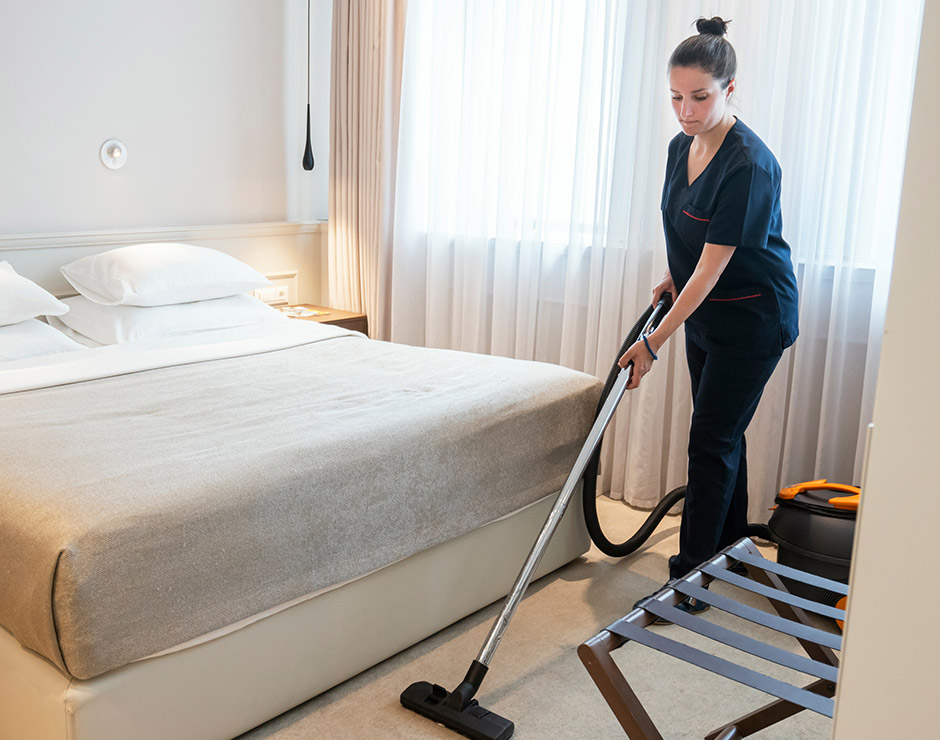
Floor polishing and floor waxing are two distinct processes: waxing applies a protective coating to the floor surface, while polishing uses abrasion or a buffing machine to restore shine and smoothness. Waxing adds a layer of material, whereas polishing works on the existing surface itself. Both are key parts of professional floor maintenance, but they serve different purposes and suit different floor types.
What does each process actually do to the floor surface?
Floor waxing deposits a thin protective layer of wax or polymer-based finish onto the floor, creating a barrier between the surface and daily wear. Floor polishing, by contrast, uses mechanical action to buff the floor, removing minor scratches and restoring the surface’s natural gloss without necessarily adding any new material.
When a floor is waxed, the coating fills in micro-scratches and creates a uniform, often glossy finish that protects the underlying material from dirt, moisture, and scuff marks. The wax layer absorbs the impact of foot traffic so the floor itself does not. Over time, this layer wears down and needs to be reapplied, but the floor beneath remains better preserved.
Polishing works differently. A high-speed buffing machine generates heat and friction that brings out the natural luster of the floor material. On harder floors, this can also compact the surface slightly, closing up small imperfections. Polishing does not add a protective layer, but it can dramatically improve appearance and, in some cases, prepare the floor to accept a fresh coat of wax more evenly.
Which floor types are suitable for waxing versus polishing?
Waxing is best suited to vinyl, linoleum, concrete, and certain hardwood floors. Polishing works well on marble, terrazzo, stone, and hardwood floors. Some floor materials are not compatible with either process, so identifying your floor type before treatment is essential.
Vinyl and linoleum floors are among the most common candidates for waxing in commercial settings. The wax finish bonds well to these surfaces and provides lasting protection in high-traffic areas such as retail stores, restaurants, and office corridors. Concrete floors also benefit from wax or polymer coatings, which seal the porous surface and make cleaning far easier.
Marble, terrazzo, and polished stone floors respond well to mechanical polishing because their natural crystalline structure can be brought to a high shine through abrasion and buffing. Applying wax to these surfaces is generally not recommended, as it can dull their natural appearance and make them harder to maintain. Hardwood floors can sometimes be polished with appropriate products, but this depends on the type of finish already applied.
Floors with no-wax or pre-finished coatings should never be waxed, as the additional layer will not bond correctly and can cause peeling or discoloration. Always check the manufacturer’s guidance or consult a professional before choosing a treatment.
How long do the results of waxing and polishing last?
A wax or floor finish typically lasts between one and three months in commercial environments before it needs to be reapplied, depending on foot traffic levels. Polishing results can last longer on hard stone or marble surfaces, often several months, but regular buffing is usually needed to maintain the appearance.
In high-traffic commercial spaces such as fitness clubs, warehouses, or busy retail stores, wax coatings wear down faster because they are constantly being abraded by foot traffic and cleaning equipment. In lower-traffic areas, the same wax application can remain effective for considerably longer. Regular interim maintenance, such as spray buffing, can extend the life of a wax finish significantly without requiring a full strip and recoat.
For polished stone or marble floors, the longevity of results depends on how well the floor is maintained between professional treatments. Routine cleaning with appropriate products and prompt attention to spills will preserve the polished finish far longer than neglect would allow.
Can floor waxing and polishing be done together?
Yes, floor waxing and polishing are often used together as part of a complete floor care routine. Polishing can be performed before waxing to prepare the surface, or after waxing to enhance the shine of the applied finish. The two processes complement each other rather than competing.
A common professional sequence is to strip the old wax, clean the floor thoroughly, apply fresh wax or floor finish, and then buff or polish the surface once the wax has dried. This final buffing step hardens the finish and brings it to a higher gloss than the wax alone would achieve. The result is both a protected and visually impressive floor.
Spray buffing, a lighter form of polishing applied to a waxed floor between full treatments, is a practical way to restore shine without stripping and recoating. This approach is widely used in commercial settings to keep floors looking well maintained on a regular basis without the cost or disruption of a full treatment every time.
When should a business schedule professional floor waxing or polishing?
A business should schedule professional floor waxing or polishing when the floor shows visible dullness, scuff marks, or uneven wear, or as part of a planned maintenance cycle. For most commercial premises, a full wax treatment every one to three months and a periodic deep polish every six to twelve months is a reasonable baseline.
The right frequency depends on the type of business and the volume of foot traffic. A restaurant or fitness club with constant daily use will need more frequent attention than a small office. Seasonal scheduling is also worth considering: many businesses in the Helsinki Metropolitan Area arrange thorough floor treatments at the start of the year or ahead of busy trading periods to ensure premises look their best.
Signs that floor treatment is overdue include a floor that looks dull even after mopping, visible scratches that do not lift with routine cleaning, or a surface that feels sticky underfoot, which often indicates old wax buildup that needs to be stripped before a fresh coat can be applied. Professional floor waxing and polishing from a specialist cleaning provider ensures the right products and techniques are matched to your specific floor type, avoiding costly damage from incorrect treatments.
Businesses that build floor care into a regular maintenance schedule rather than reacting to visible problems tend to spend less over time, as well-maintained floors require less intensive restoration work and have a longer overall lifespan.
This content was generated with the help of AI and it may contain mistakes
Published October 7, 2026