Blog
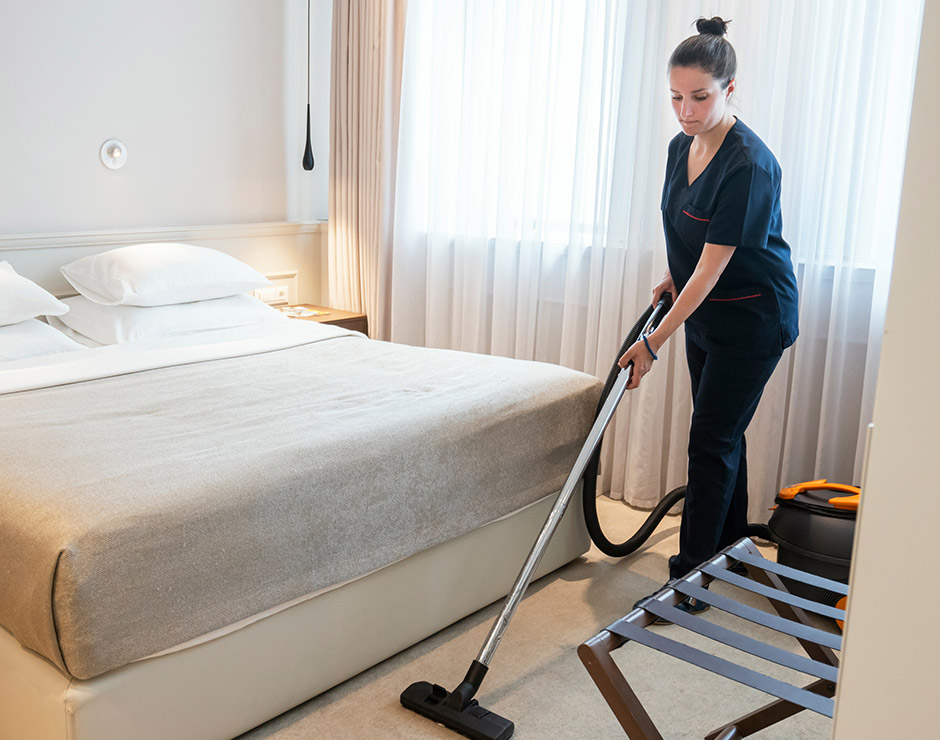
Deep cleaning and specialty cleaning are different types of professional cleaning services with distinct scopes and purposes. Deep cleaning is a thorough, intensive clean of an entire space, targeting built-up dirt and grime in areas that routine maintenance cleaning misses. Specialty cleaning, by contrast, focuses on specific tasks, surfaces, or situations that require dedicated techniques or equipment. The sections below break down exactly what each service covers and how to decide which one your business needs.
What types of tasks does deep cleaning actually include?
Deep cleaning is a comprehensive, top-to-bottom cleaning of an entire space that goes well beyond what regular maintenance cleaning covers. It targets accumulated dirt, grease, and grime in areas that are typically skipped during routine visits, such as behind appliances, inside fixtures, under furniture, and along baseboards and vents.
In a commercial setting, a deep clean typically includes:
- Scrubbing and sanitising all surfaces, including walls, floors, and ceilings
- Cleaning inside and behind kitchen equipment, storage units, and fixtures
- Descaling taps, sinks, and bathroom fittings
- Removing grease and residue from hard-to-reach surfaces
- Cleaning ventilation grilles and light fittings
- Disinfecting high-touch areas such as door handles, switches, and shared equipment
The goal of deep cleaning is to restore a space to a high baseline of cleanliness. It is more time-intensive than a standard clean and is typically carried out periodically rather than on a weekly or daily schedule. For many businesses, a professional deep clean is the logical starting point before a regular maintenance routine begins.
What falls under specialty cleaning services?
Specialty cleaning refers to targeted cleaning services that address specific surfaces, areas, or situations using dedicated methods and equipment. Unlike deep cleaning, which covers an entire premises, specialty cleaning is task-specific and is chosen when a particular cleaning challenge falls outside the scope of routine or deep cleaning work.
Common examples of specialty cleaning services include:
- Window cleaning: Interior and exterior glass cleaned using professional tools and streak-free techniques
- Floor waxing and polishing: Stripping, refinishing, and polishing hard floors to restore their surface and protect against wear
- Overhead dusting: Removing dust and debris from high surfaces such as rafters, pipework, shelving, and ceiling fixtures
- Disinfecting: Targeted sanitisation of surfaces using professional-grade disinfectants, often required after illness outbreaks or in regulated environments
- Post-construction cleaning: Removing dust, debris, and residue left after renovation or building work
- Carpet and upholstery cleaning: Deep extraction cleaning of soft furnishings using specialist equipment
Specialty cleaning services are defined by their specificity. They require particular expertise, tools, or products that a general cleaning team would not routinely carry. Businesses typically add specialty services to their cleaning programme on a scheduled or as-needed basis.
How does deep cleaning differ from specialty cleaning in practice?
The key difference between deep cleaning and specialty cleaning is scope versus specificity. Deep cleaning covers an entire space comprehensively, while specialty cleaning targets one particular task, surface, or situation with a focused method. In practice, this means the two services are planned, priced, and executed in very different ways.
A deep clean is measured by the size and condition of the premises. A cleaning team moves through the entire space systematically, addressing every area at an intensive level. The time required depends on how long it has been since the last deep clean and the overall state of the facility.
A specialty service, on the other hand, is measured by the specific task. A window cleaning visit, for example, is scoped by the number and type of windows. A floor polishing job is scoped by the square metres of hard flooring. The rest of the premises is not part of the service unless separately agreed.
Another practical difference is frequency. Deep cleaning is typically done quarterly, biannually, or annually. Specialty cleaning services may be scheduled more or less frequently depending on the task. Window cleaning might be monthly; floor waxing might be once or twice a year; disinfecting might be reactive rather than scheduled.
When should a business choose deep cleaning over specialty cleaning?
A business should choose deep cleaning when the entire premises needs to be brought up to a high standard of cleanliness, rather than when a single surface or area needs attention. Deep cleaning is the right choice when maintenance cleaning has not kept pace with the level of use, when a space has not been professionally cleaned in some time, or when a new cleaning contract is starting.
Specific situations that call for a deep clean include:
- Moving into a new commercial premises
- Reopening after a closure or extended period of low use
- Preparing for an audit, inspection, or high-profile event
- Seasonal resets, such as the start of a new year or quarter
- After a period of heavy use, such as a busy trading season for a restaurant or retail store
Specialty cleaning is the better choice when the overall premises is well maintained but a specific task requires expert attention. If your floors need refinishing but the rest of the office is clean, a floor polishing service is more appropriate and cost-effective than a full deep clean.
Can deep cleaning and specialty cleaning be combined?
Yes, deep cleaning and specialty cleaning can be combined, and in many cases doing so makes practical and financial sense. When a deep clean is scheduled, it is often the ideal moment to add specialty services that would otherwise require a separate visit, since the premises is already being prepared and the cleaning team is on site.
For example, a restaurant scheduling a quarterly deep clean might add overhead dusting and window cleaning to the same session. An office undergoing a thorough annual clean might include floor waxing as part of the same visit. Combining services reduces disruption to the business and can improve overall value.
A well-structured cleaning programme for a commercial premises often layers all three service types together: regular maintenance cleaning keeps standards consistent week to week, periodic deep cleaning resets the baseline a few times a year, and specialty services are scheduled at appropriate intervals for the tasks that require them. Carestep’s cleaning services are designed to work this way, giving businesses in the Helsinki Metropolitan Area a flexible combination of maintenance, deep, and specialist cleaning tailored to their premises and schedule.
This content was generated with the help of AI and it may contain mistakes
Published October 27, 2026