Blog
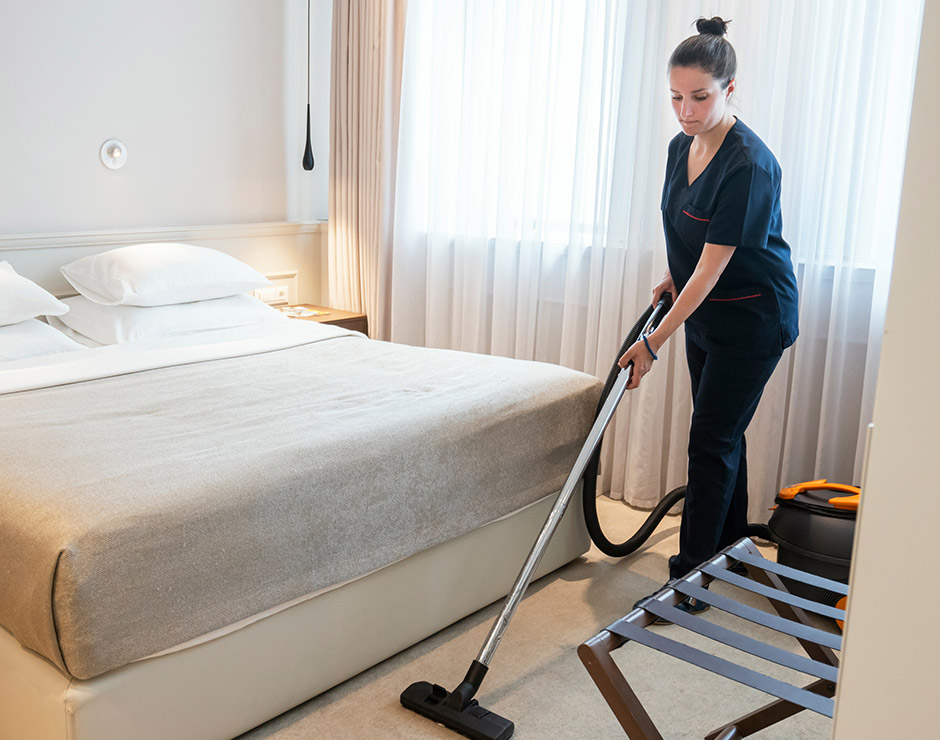
Air purifiers and professional cleaning serve different purposes and cannot replace each other. Air purifiers filter airborne particles from the air, while professional cleaning removes contaminants from surfaces, floors, and hard-to-reach areas that air purifiers cannot reach. Most offices benefit from using both together, as each addresses a distinct category of workplace contamination. The sections below answer the most common questions about how these two approaches compare and how to combine them effectively.
Can air purifiers replace professional office cleaning?
No, air purifiers cannot replace professional office cleaning. Air purifiers filter particles suspended in the air, but they have no effect on dust, grease, bacteria, and allergens that settle on desks, floors, upholstery, and shared surfaces. Professional cleaning removes contaminants from the physical environment in ways that air filtration simply cannot replicate.
The two approaches target entirely different problems. An air purifier continuously cycles room air through a filter, capturing airborne particles as they float past. But the moment those particles settle on a surface, the purifier can no longer act on them. Professional cleaning then becomes the only way to remove that settled contamination. Treating these two methods as interchangeable leaves a significant portion of the office environment unaddressed.
What do air purifiers actually remove from office air?
Air purifiers remove airborne particles including dust, pollen, mould spores, pet dander, and some bacteria and viruses, depending on the filter type. HEPA-rated units capture particles as small as 0.3 microns, while activated carbon filters also absorb odours and volatile organic compounds (VOCs) from office equipment, furniture, and cleaning products.
In an office setting, air purifiers are particularly useful in open-plan spaces where many people share air for extended periods. They can reduce the concentration of airborne respiratory droplets and fine particulate matter generated by printing, cooking in break rooms, or outdoor pollution entering through ventilation. However, their effectiveness depends heavily on room size, air change rate, and filter maintenance. A purifier with a clogged or outdated filter can become less effective or even redistribute particles it has already captured.
What does professional cleaning remove that air purifiers cannot?
Professional cleaning removes surface-level contamination that air purifiers cannot reach, including bacteria and viruses on touchpoints, grease and grime on hard surfaces, allergens embedded in carpets and upholstery, and dust that has settled on floors, shelves, and overhead fixtures. It also addresses biological buildup in areas like kitchens, bathrooms, and waste disposal points.
Consider the high-contact surfaces in any office: door handles, keyboards, light switches, lift buttons, and shared equipment. These accumulate bacteria and viral particles through direct touch, not through the air. An air purifier positioned across the room has no mechanism to address contamination on these surfaces. Professional cleaners use appropriate products and methods to sanitise these areas, reducing the risk of contact transmission.
Deep cleaning goes further still, addressing buildup that routine maintenance misses. Floor waxing, overhead dusting, and periodic disinfection of less visible areas remove contamination that accumulates gradually and would otherwise degrade air quality and surface hygiene over time, regardless of how many air purifiers are running.
How does indoor air quality affect office productivity and health?
Poor indoor air quality in offices is linked to increased sick days, reduced concentration, and lower cognitive performance. When airborne pollutants, allergens, and VOCs accumulate in a poorly ventilated or infrequently cleaned workspace, employees experience symptoms such as headaches, fatigue, eye irritation, and respiratory discomfort, collectively known as sick building syndrome.
The relationship between cleanliness and air quality is direct. Dust and debris on surfaces re-enter the air through foot traffic, air currents, and human movement. An office that is not professionally cleaned regularly will have higher baseline levels of airborne particulate matter, even with air purifiers running. Conversely, a well-maintained office with clean floors, surfaces, and ventilation systems supports better air quality and, by extension, a healthier and more productive workforce.
Should offices use air purifiers alongside professional cleaning?
Yes, offices should use air purifiers alongside professional cleaning because the two methods complement each other without overlapping. Air purifiers manage ongoing airborne particle levels between cleaning sessions, while professional cleaning removes the settled and surface-level contamination that purifiers cannot address. Together, they provide more comprehensive indoor air quality management than either approach alone.
This combined approach is especially valuable in high-occupancy offices, spaces with poor natural ventilation, or environments where employees with allergies or respiratory conditions work. Air purifiers provide continuous background filtration, reducing the load of airborne particles throughout the working day. Professional cleaning then resets surface hygiene on a scheduled basis, preventing the gradual accumulation of contamination that would otherwise re-enter the air and undermine the purifier’s work.
Choosing ecological cleaning products, as Carestep does, adds another layer of benefit: it prevents the introduction of harsh chemical VOCs into the office environment that would themselves become an indoor air quality concern.
How often should an office be professionally cleaned?
Most offices require professional maintenance cleaning at least once or twice per week, with more frequent cleaning for high-traffic areas or shared facilities. Deep cleaning and periodic services such as floor polishing, window cleaning, and overhead dusting are typically scheduled monthly or quarterly, depending on the nature of the workspace and the volume of daily use.
The right frequency depends on several factors:
- Occupancy and footfall: Larger teams and frequent visitor traffic accelerate the buildup of dust, bacteria, and surface contamination.
- Type of premises: Restaurants, fitness clubs, and retail environments typically require daily cleaning due to food residues, sweat, and constant public access.
- Seasonal considerations: Pollen and outdoor particulate levels rise in spring and summer, increasing the burden on both cleaning and air filtration.
- Employee health requirements: Offices with employees who have allergies or respiratory conditions may benefit from more frequent professional cleaning to keep allergen levels low.
Establishing a consistent cleaning schedule with a dedicated professional cleaner ensures that hygiene standards remain stable rather than reactive. Regular professional office cleaning services allow issues to be caught early and prevent the kind of gradual buildup that is far more disruptive and costly to address after the fact.
This content was generated with the help of AI and it may contain mistakes
Published October 19, 2026