Blog
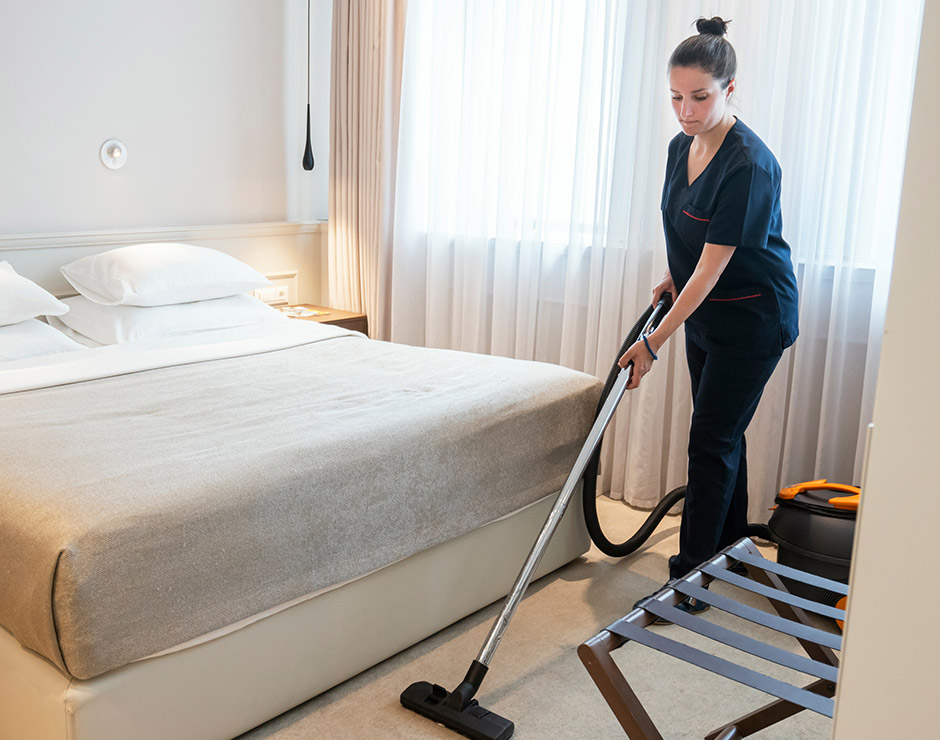
In 2026, restaurants in Finland must meet hygiene standards set by EU food safety legislation and national regulations enforced by the Finnish Food Authority (Ruokavirasto). These standards cover everything from temperature controls and personal hygiene to cleaning frequencies and pest prevention. The sections below answer the most common questions restaurant operators and managers have about staying compliant.
What hygiene regulations apply to restaurants in Finland?
Restaurants in Finland must comply with EU Regulation (EC) No 852/2004 on the hygiene of foodstuffs, alongside the Finnish Food Act (Elintarvikelaki 297/2021). Together, these frameworks require every food business to implement a written food safety management plan based on HACCP principles, register with the local municipal food control authority, and operate in premises that meet structural and sanitation requirements. Non-compliance can result in official warnings, fines, or forced closure.
The Finnish Food Authority oversees national enforcement and publishes guidance that local inspectors follow when auditing restaurants. Practically speaking, this means your premises must have adequate handwashing facilities separate from dishwashing sinks, surfaces that are easy to clean and disinfect, appropriate cold and hot storage at correct temperatures, and documented cleaning routines. Staff must hold a valid hygiene passport (hygieniapassi), which is a legal requirement for anyone who handles unpackaged food.
What are the critical hygiene risk areas in a restaurant?
The highest-risk areas in a restaurant are those where raw food is handled, where food and surfaces come into direct contact, and where moisture and organic matter accumulate. Inspectors pay particular attention to the kitchen preparation area, cold storage units, dishwashing zones, staff toilet and handwashing facilities, and waste management points. Neglecting any of these areas creates conditions for bacterial growth and cross-contamination.
Within the kitchen, chopping boards, knives, and food-contact surfaces are primary vectors for cross-contamination if not sanitised between uses. Refrigerators and walk-in cold rooms must maintain temperatures at or below 4°C for chilled products, and any failure in temperature control is treated as a serious food safety breach. Grease traps, extraction hoods, and ventilation ducts are often overlooked but accumulate fat and organic residue that can harbour bacteria and create fire risks. Floor drains and the undersides of equipment are similarly high-risk zones that require regular deep cleaning beyond daily maintenance routines.
How often should professional cleaning take place in a restaurant?
Most restaurant surfaces require daily cleaning, but a compliant cleaning schedule combines daily maintenance cleaning with periodic deep cleaning at least monthly or quarterly depending on the area. Daily tasks include sanitising food-contact surfaces, cleaning floors, wiping down equipment exteriors, and emptying waste. Weekly tasks typically cover refrigerator interiors, storage shelving, and behind equipment. Monthly or quarterly deep cleans address extraction hoods, grease traps, ventilation systems, and overhead surfaces.
The exact frequency should be documented in your HACCP-based cleaning plan and adjusted based on the volume of covers served and the type of food prepared. A high-volume kitchen producing raw meat or fish will need more frequent deep cleaning than a café serving primarily packaged goods. Inspectors will ask to see your cleaning schedule and evidence that it has been followed, so written records and sign-off sheets are not optional extras but part of your legal documentation.
What cleaning products and methods meet food safety standards?
Cleaning products used in food premises must be food-safe, meaning they are approved for use in environments where food is prepared and capable of being fully rinsed away without leaving harmful residues. Effective restaurant cleaning follows a two-stage process: first removing physical dirt and grease with a detergent, then applying a disinfectant to kill pathogens. Using a disinfectant on a dirty surface is ineffective because organic matter neutralises the active ingredient before it can work.
Products should carry clear labelling indicating their suitability for food-contact surfaces, and dilution ratios must be followed precisely. Stronger is not always safer: incorrect concentrations can leave chemical residues that contaminate food or damage surfaces. Colour-coded cloths and mops are strongly recommended to prevent cross-contamination between kitchen zones and toilet areas. Ecological cleaning products that meet these standards are available and increasingly preferred by restaurants that want to demonstrate environmental responsibility alongside food safety compliance.
How does a restaurant pass a hygiene inspection in 2026?
Passing a hygiene inspection in 2026 requires documented systems, trained staff, and clean premises that together demonstrate your restaurant manages food safety proactively rather than reactively. Inspectors from the local municipal authority use a standardised assessment framework and score premises across multiple categories, including structural conditions, temperature management, personal hygiene, cleaning practices, and documentation. The result is published in Finland’s Oiva food safety rating system, which customers can view publicly.
The most reliable way to prepare is to keep your HACCP documentation up to date, ensure all staff with food-handling responsibilities hold a valid hygiene passport, keep cleaning logs current with dated sign-offs, and conduct internal audits between official inspections. Temperature logs for refrigeration and hot-holding equipment must be complete and show consistent compliance. If an inspector finds gaps in documentation, they will treat this as evidence of poor control even if the physical premises look clean. Preparation is year-round, not a pre-inspection sprint.
When should restaurants hire a professional cleaning service?
Restaurants should hire a professional cleaning service when in-house staff cannot reliably cover the full scope of cleaning required for food safety compliance, particularly for periodic deep cleaning tasks that go beyond daily maintenance. This typically includes extraction hood and duct cleaning, floor treatment such as scrubbing and sealing, high-level and overhead dusting, and thorough disinfection of hard-to-reach surfaces. These tasks require specialist equipment and training that most kitchen teams do not have.
Beyond the practical argument, using a professional service creates a clear audit trail. A cleaning contractor can provide documentation of what was cleaned, when, and with which products, which supports your HACCP records and demonstrates due diligence to inspectors. restaurant cleaning services that understand food safety environments will work around your operating hours, use food-safe products, and adapt their schedule to your specific risk profile. For restaurants that want to maintain a high Oiva rating consistently, professional cleaning support is not a luxury but a practical part of the compliance strategy.
This content was generated with the help of AI and it may contain mistakes
Published September 15, 2026