Blog
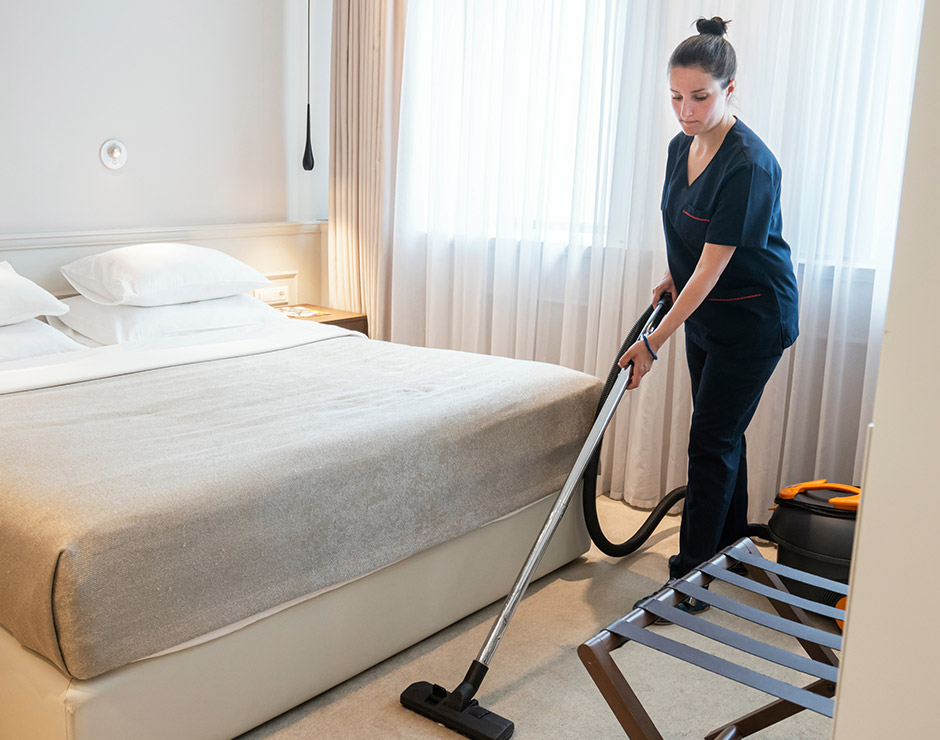
Yes, a retail shop should have a different cleaning schedule than an office. Retail environments experience higher foot traffic, more surface contact, and greater exposure to dirt, spills, and debris throughout the day, which means they require more frequent cleaning across more task types. The sections below break down exactly how retail and office cleaning schedules differ and what a practical retail cleaning plan looks like.
How often should a retail shop be cleaned compared to an office?
A retail shop typically needs cleaning once or twice daily, while a standard office can often be maintained with three to five cleaning sessions per week. The difference comes down to footfall and public access. Retail spaces welcome a continuous stream of customers, each bringing in dirt, moisture, and bacteria, whereas offices host a relatively stable group of people in a controlled environment.
In practice, a busy retail shop in a location like Helsinki city centre may need floor sweeping and surface wiping multiple times throughout the trading day, plus a thorough clean at close. An office of comparable size might only require daily vacuuming and bin emptying, with deeper tasks scheduled weekly or fortnightly. The commercial cleaning schedule for a retail business is simply more intensive by necessity, not by preference.
What cleaning tasks are unique to retail environments?
Retail environments require several cleaning tasks that rarely appear on an office cleaning schedule. These include sanitising customer-facing touchpoints such as door handles, payment terminals, shopping baskets, and fitting room hooks, as well as cleaning display surfaces, shelving units, and product stands that constantly accumulate dust and fingerprints throughout the day.
Other retail-specific tasks include:
- Spot-cleaning glass display cases and shop windows from the inside
- Removing product packaging debris and customer litter from the sales floor
- Cleaning changing rooms and communal areas after each peak period
- Sanitising checkout counters and staff-facing surfaces between shifts
- Addressing spills on shelving or refrigerated units in food retail settings
Offices share some of these tasks in spirit, such as wiping desks and emptying bins, but the scale, frequency, and public-facing nature of retail cleaning are categorically different. Every surface a customer touches is a hygiene risk that needs regular attention.
Why do retail floors need more attention than office floors?
Retail floors need more attention than office floors because they bear the direct impact of unrestricted public foot traffic across the entire trading day. Every customer who enters brings in outdoor debris, moisture, and bacteria on their footwear. Multiply that by hundreds or thousands of visitors and the floor becomes one of the highest-risk surfaces in the building within hours of opening.
Office floors, by contrast, are walked on primarily by the same group of employees, often in indoor footwear or after passing through a reception area that acts as a buffer. The dirt load is lower and more predictable. Retail floors also face a greater variety of spills, from food and drink in stores with cafes to product leaks in supermarkets or beauty retailers, all of which can create slip hazards if not addressed quickly.
Floor care in retail settings typically includes sweeping or vacuuming multiple times per day, mopping at opening and close, and periodic deep treatments such as floor waxing or polishing to restore surface integrity. These periodic floor treatments protect the flooring material itself and maintain the professional appearance that customers expect from a retail environment.
Should retail cleaning happen during or after business hours?
Most retail cleaning should be split between during-hours maintenance and after-hours deep cleaning. Reactive tasks such as spill response, toilet checks, and touchpoint sanitising must happen during trading hours to maintain hygiene and safety. Thorough floor cleaning, waste removal, and detailed surface work are best scheduled after closing when there are no customers present.
Attempting to mop floors or move equipment while customers are browsing creates slip hazards, disrupts the shopping experience, and limits how thoroughly the work can be done. After-hours cleaning allows the team to work systematically through the entire space without interruption, which produces a better result and takes less time overall.
For retailers with early opening times or late-night trading, the schedule needs to account for the full opening window. A shop that opens at eight in the morning and closes at nine at night has a very different cleaning rhythm than one with standard nine-to-five hours, and the commercial cleaning schedule should reflect that reality rather than applying a generic template.
What does a good retail cleaning schedule actually look like?
A good retail cleaning schedule is structured around three tiers: daily tasks completed every trading day, weekly tasks that address areas not covered in the daily routine, and periodic tasks carried out monthly or seasonally. This tiered approach ensures nothing is overlooked while keeping daily operations manageable.
Daily retail cleaning tasks
- Sweep and mop all floor areas before opening and after closing
- Sanitise all high-contact touchpoints including door handles, payment terminals, and trolley handles
- Clean and restock all customer toilets at regular intervals throughout the day
- Empty all bins and replace liners
- Wipe down checkout counters, service desks, and fitting room surfaces
- Spot-clean glass, mirrors, and display surfaces
Weekly and periodic retail cleaning tasks
- Deep-clean changing rooms including walls, benches, and hooks
- Dust overhead fixtures, shelving units, and product display stands
- Clean internal windows and glass partitions thoroughly
- Degrease and sanitise stockroom and staff areas
- Carry out floor waxing or polishing on hard floor surfaces
- Schedule disinfecting cleaning of high-risk areas such as food prep zones or beauty testers
A professional facility cleaning provider experienced in retail environments can help build a schedule that fits the specific layout, trading hours, and customer volume of the shop. For retail businesses in the Helsinki Metropolitan Area, having a dedicated cleaner assigned to the premises makes it far easier to maintain consistency and respond quickly when something unexpected needs attention.
This content was generated with the help of AI and it may contain mistakes
Published August 21, 2026