Blog
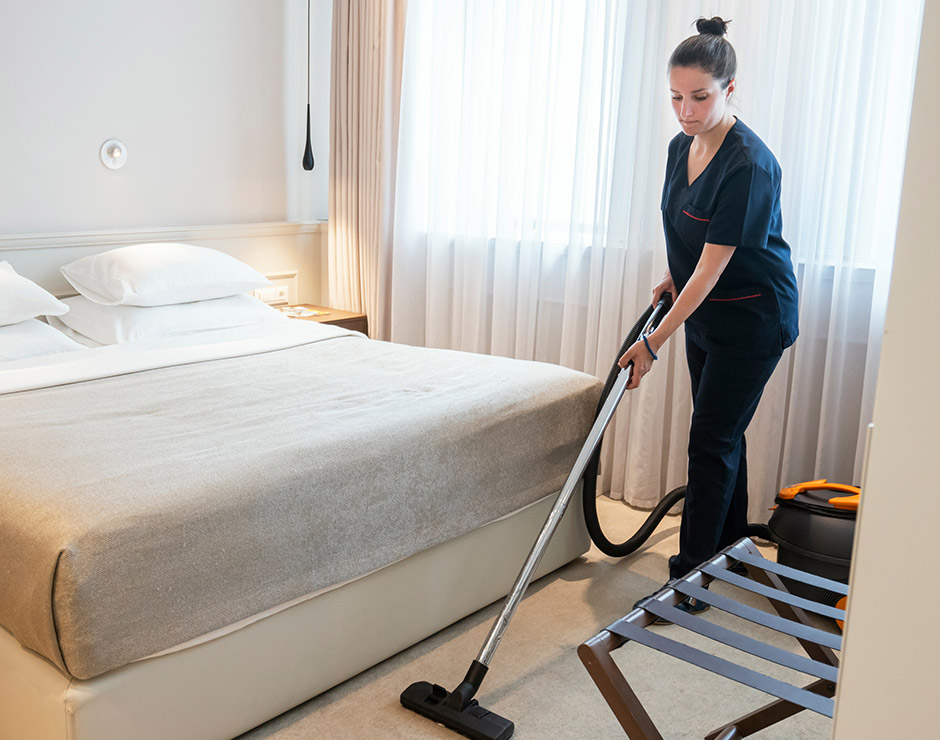
For most businesses, hiring a window cleaning contractor is the smarter choice than using in-house staff. Professional contractors bring specialist equipment, trained operatives, and built-in liability coverage that internal teams rarely match. That said, the right answer depends on your building type, cleaning frequency, and how much risk your business is willing to manage. The sections below break down the key questions to help you decide.
What are the hidden costs of using in-house staff for window cleaning?
Using in-house window cleaning staff costs significantly more than most businesses expect once you account for equipment, training, insurance, and downtime. The visible cost is the wage, but the true cost includes purchasing and maintaining ladders, water-fed poles, squeegees, and cleaning solutions, plus the time employees spend on a task outside their core role.
Equipment alone can run into thousands of euros or pounds for a commercial-grade setup capable of reaching upper-floor glazing safely. Add to that the ongoing cost of replacement parts, cleaning chemicals, and storage space. If an employee is injured while cleaning windows, your employer liability insurance may not cover the incident if window cleaning falls outside their contracted duties, which can expose the business to significant legal costs.
There is also a productivity cost that rarely appears on a spreadsheet. Every hour a receptionist, facilities assistant, or warehouse operative spends cleaning windows is an hour not spent on the work they were hired to do. Over a year, that lost productivity can quietly exceed the entire annual cost of a professional window cleaning contractor.
What does a commercial window cleaning contractor actually include?
A commercial window cleaning contractor typically includes the full labour, specialist equipment, cleaning products, and public liability insurance needed to clean your premises safely and to a professional standard. Most contracts also cover scheduling, access planning, and any risk assessments required for working at height.
Depending on the scope agreed, commercial window cleaning services can cover interior and exterior glass, frames, sills, skylights, and hard-to-reach glazing using water-fed pole systems or cherry pickers for taller buildings. Some contractors extend their scope to include related services such as facade cleaning or periodic deep cleans of entrance areas.
A well-structured commercial cleaning contract will also define frequency, for example weekly, fortnightly, or monthly visits, and include provisions for reactive cleans after bad weather or building works. This predictability is something in-house window cleaning arrangements rarely deliver consistently, particularly when staff are absent or priorities shift.
Which option is better for safety and liability?
Outsourcing to a professional window cleaning contractor is significantly safer and reduces your liability exposure compared to using in-house staff. Contractors are legally responsible for their own operatives’ safety, carry their own public liability and employer liability insurance, and are required to conduct working-at-height risk assessments under health and safety legislation.
When your own employees clean windows, the health and safety burden sits entirely with you as the employer. That means providing appropriate equipment, ensuring it is inspected and maintained, training staff in safe working practices, and documenting risk assessments. Failure to do any of these correctly can result in regulatory penalties, civil claims, or both if an accident occurs.
Professional contractors also carry industry-specific experience in access methods, ladder safety, and working on different building types. For anything above ground-floor level, the risk differential between a trained window cleaning operative and an untrained employee is substantial. From a liability standpoint alone, outsourcing window cleaning to a qualified contractor is the lower-risk option for the vast majority of businesses.
When does outsourcing window cleaning make more sense?
Outsourcing window cleaning makes more sense when your building has glazing above ground level, when cleaning is needed more than occasionally, or when your team lacks the equipment and training to do the job safely. For most commercial premises, these conditions apply from day one.
Multi-storey offices, retail units with large display windows, restaurants with street-facing glass, and fitness clubs with floor-to-ceiling glazing all present cleaning demands that go beyond what a general member of staff can realistically manage. The more complex the glazing, the stronger the case for a specialist contractor.
Outsourcing also makes sense when consistency matters. A business whose windows are visibly dirty sends a negative signal to clients and customers, and relying on in-house staff to fit window cleaning around their other duties rarely produces a reliable schedule. A contracted window cleaning company commits to defined visit dates, which means the job actually gets done regardless of internal staffing pressures.
For businesses in the Helsinki Metropolitan Area, for example, seasonal factors such as winter grime, salt spray, and summer pollen make regular professional cleaning particularly valuable for maintaining a presentable exterior year-round.
How do you choose the right window cleaning contractor?
To choose the right window cleaning contractor, look for a company with verifiable insurance, documented health and safety practices, experience with your building type, and a clear contract that specifies frequency, scope, and pricing. References or reviews from similar businesses are a strong indicator of reliability.
Start by confirming that any contractor you consider carries adequate public liability insurance and employer liability insurance. Ask to see certificates rather than taking their word for it. Then check whether they conduct formal risk assessments for working at height and whether their operatives are trained in the relevant access methods for your building.
Beyond the basics, consider how the contractor handles communication and account management. The best commercial cleaning relationships work because there is a consistent point of contact, clear escalation routes when something goes wrong, and genuine flexibility when your schedule changes. A contractor who assigns a dedicated operative to your premises and responds quickly to queries will deliver a noticeably better experience than one who rotates anonymous teams through your site.
It is also worth asking whether the contractor’s values align with your own. Some businesses, particularly those with sustainability or social responsibility commitments, find genuine value in working with a cleaning provider that shares those priorities, whether that means using ecological cleaning products, calculating its carbon footprint, or investing in its workforce in ways that go beyond the minimum.
This content was generated with the help of AI and it may contain mistakes
Published September 16, 2026