Blog
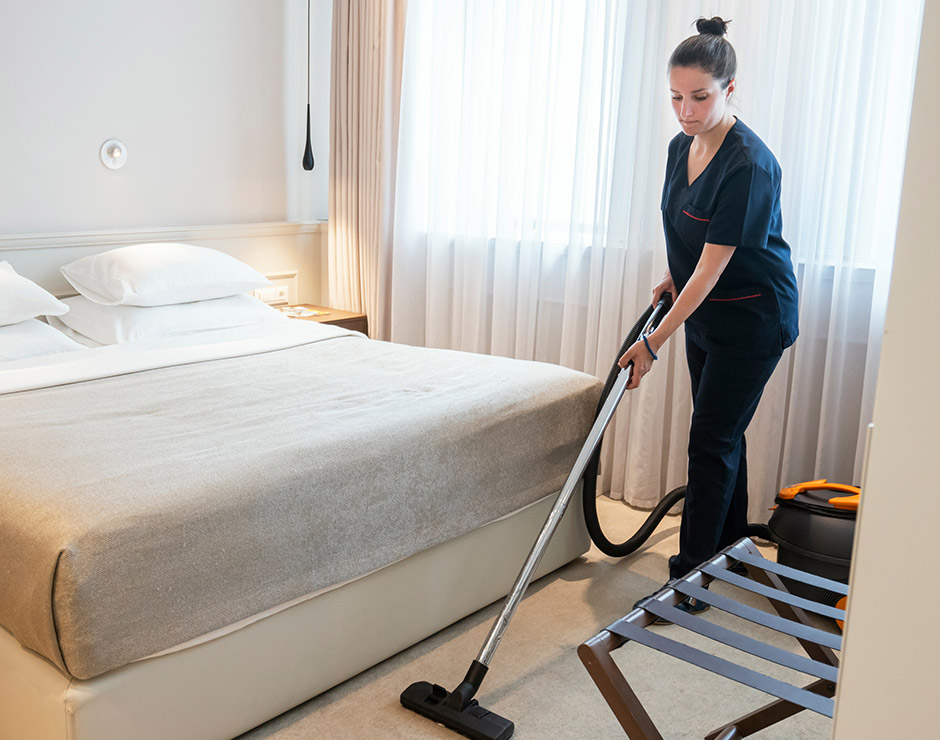
Most commercial premises should be professionally disinfected at least once a month, but high-traffic or high-risk spaces such as restaurants, gyms, and healthcare-adjacent facilities often require weekly or even daily disinfection. The right frequency depends on the type of business, foot traffic levels, and the nature of activities carried out on the premises. The sections below break down the key factors and answer the most common questions businesses ask when setting a disinfection schedule.
What factors determine how often a business needs disinfection?
The commercial disinfection frequency a business needs is shaped by four main factors: foot traffic volume, the type of activities on the premises, the vulnerability of the people using the space, and regulatory or industry requirements. A quiet back office with a handful of staff has very different needs from a busy retail store where hundreds of customers pass through every day.
- Foot traffic: The more people entering and moving through a space, the faster surfaces accumulate pathogens and contaminants. High-traffic areas such as entrances, lifts, and shared toilets need more frequent attention.
- Activity type: Food preparation, physical exercise, and healthcare-related services all introduce higher levels of biological contamination than standard office work.
- Occupant vulnerability: If staff or visitors include elderly people, young children, or immunocompromised individuals, a more rigorous disinfection schedule is warranted.
- Regulatory requirements: Certain industries, particularly food service and healthcare, are subject to hygiene standards that set minimum expectations for disinfection practices.
Seasonal factors also play a role. During periods of elevated illness, such as winter flu season, even lower-risk premises benefit from increasing their professional disinfection services to reduce transmission risk.
How often should offices and corporate premises be disinfected?
Offices and corporate premises typically benefit from professional disinfection once or twice a month, in addition to regular maintenance cleaning. High-touch surfaces such as door handles, keyboard areas, shared kitchen equipment, and meeting room furniture should be disinfected more frequently, ideally as part of a weekly routine.
The office disinfection schedule should scale with the size of the workforce and how the space is used. Open-plan offices with hot-desking arrangements carry a higher cross-contamination risk than private offices with assigned workstations. If the office hosts frequent client visits or large in-person meetings, the disinfection frequency should reflect that additional footfall.
A useful starting point for most medium-sized offices is monthly deep disinfection combined with weekly attention to communal areas. As businesses return to full in-person working patterns in 2026, maintaining a consistent schedule has become a visible signal of care for employee well-being.
Do restaurants and food service premises need more frequent disinfection?
Yes, restaurants and food service premises require significantly more frequent professional disinfection than most other commercial spaces. Food preparation areas, dining surfaces, and kitchen equipment should be disinfected daily, while a thorough professional disinfection of the entire premises is typically needed at least weekly.
Food environments carry a dual risk: cross-contamination between raw and prepared foods, and the transmission of illness between staff and customers. Finnish food safety regulations set baseline hygiene standards, but professional disinfection goes beyond routine cleaning to eliminate pathogens that ordinary cleaning products may not fully address.
Particular attention should be paid to areas that are easy to overlook during daily operations, including refrigerator handles, tap fittings, service counters, and the undersides of preparation surfaces. A structured facility cleaning and disinfection programme, carried out by trained professionals, ensures these areas are not missed.
What commercial spaces require the most intensive disinfection schedules?
The commercial spaces that require the most intensive disinfection schedules are those that combine high foot traffic with physical contact, shared equipment, or food and healthcare activities. Gyms and fitness clubs, restaurants, childcare facilities, and medical or dental reception areas consistently sit at the top of the list.
Gyms and fitness clubs
Fitness environments present a particularly demanding disinfection challenge. Exercise equipment is touched by dozens of people throughout the day, often by individuals who are perspiring heavily. Changing rooms, showers, and communal areas add further complexity. Professional disinfection in these settings is typically required several times a week, with daily surface disinfection of equipment as a baseline.
Retail stores and warehouses
Retail premises and warehouses vary considerably depending on the volume of customers or workers. A large retail store in a busy shopping centre may need weekly professional disinfection of customer-facing areas, while a smaller boutique might manage well with a fortnightly schedule. Warehouses with large staff teams and shared facilities such as break rooms and locker areas also benefit from regular professional attention.
What’s the difference between maintenance cleaning and professional disinfection?
Maintenance cleaning removes visible dirt, dust, and debris from surfaces, while professional disinfection uses approved agents to kill or inactivate bacteria, viruses, and other pathogens that cleaning alone cannot eliminate. The two are complementary, not interchangeable, and an effective hygiene programme requires both.
Routine maintenance cleaning keeps a space looking presentable and removes the surface-level buildup that would otherwise harbour germs. However, cleaning a surface does not guarantee it is free from harmful microorganisms. Professional disinfection cleaning uses products with proven antimicrobial efficacy, applied with the correct contact time and method to ensure pathogens are actually destroyed rather than simply moved around.
Think of it this way: cleaning prepares the surface, and disinfection protects the people using it. Businesses that rely on maintenance cleaning alone may meet a basic standard of appearance while leaving staff and visitors exposed to preventable health risks.
How can a business tell if its current disinfection schedule is working?
A business can assess whether its disinfection schedule is effective by monitoring three things: the rate of staff illness and absence, the visible condition of high-touch surfaces between cleaning visits, and feedback from staff and visitors about hygiene standards. If any of these indicators point to problems, the schedule likely needs adjustment.
Frequent short-term staff absences due to illness, particularly respiratory or gastrointestinal complaints, can suggest that the current facility cleaning and disinfection approach is not keeping pace with contamination levels. Similarly, if surfaces in communal areas show visible grime or residue shortly after a cleaning visit, the frequency or method may be insufficient.
A more structured approach is to conduct periodic hygiene audits, either internally or with the support of a professional cleaning provider. These audits assess which areas are most at risk, whether the correct disinfectants are being used for the surfaces in question, and whether staff handling day-to-day cleaning between professional visits are following effective procedures. Adjusting the schedule based on real evidence, rather than assumption, is the most reliable way to keep commercial premises genuinely safe.
This content was generated with the help of AI and it may contain mistakes
Published October 14, 2026