Blog
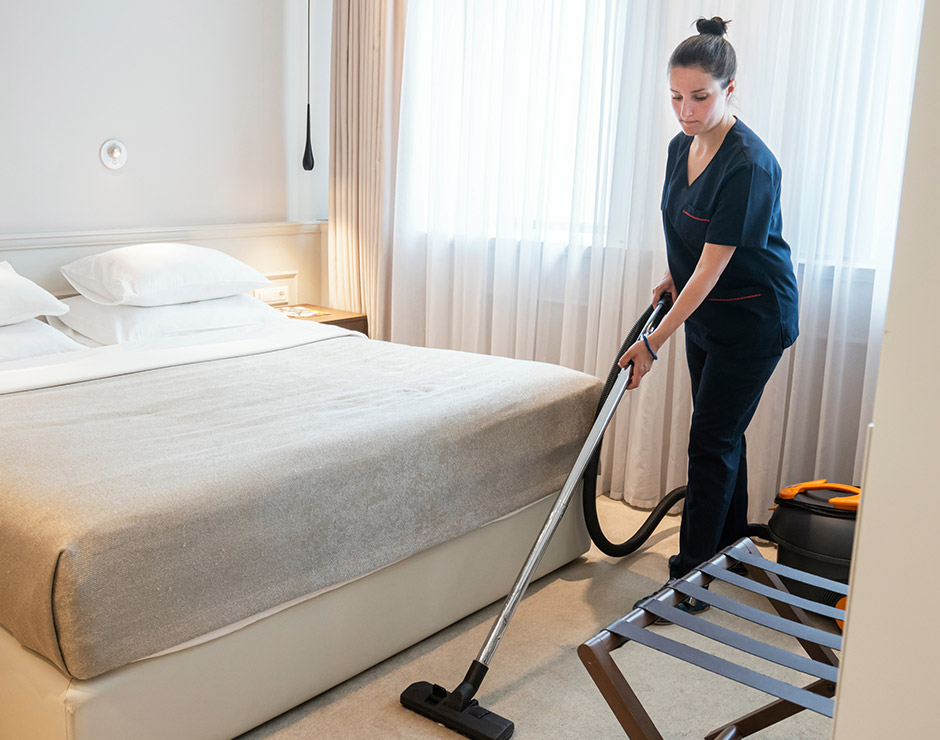
You can tell if your office cleaning service is actually disinfecting by checking whether they use EPA-approved or EN-standard disinfectants, follow defined dwell times, and target high-touch surfaces systematically, not just wipe surfaces down with a general cleaner. Cleaning and disinfecting are two distinct processes, and many providers only perform one. The questions below break down exactly what to look for, ask, and expect from a professional disinfecting cleaning service.
What’s the difference between cleaning and disinfecting in an office?
Cleaning removes visible dirt, dust, and debris from surfaces using detergent and water. Disinfecting uses chemical agents specifically formulated to kill or inactivate bacteria, viruses, and other pathogens on a surface. In an office context, cleaning vs disinfecting is not a minor distinction, a surface can look spotless and still harbour harmful microorganisms if it has only been cleaned and not disinfected.
The two processes are complementary rather than interchangeable. Effective disinfection typically requires a surface to be cleaned first, because organic matter and grime can reduce the efficacy of disinfectant chemicals. A professional office cleaning standard should include both steps on relevant surfaces, particularly in shared or high-traffic areas. If your provider is only doing one, you are not getting the protection you are paying for.
What products and certifications should a disinfecting service use?
A legitimate office disinfection service should use products that carry recognised regulatory approval. In Europe, this means biocidal products registered under the EU Biocidal Products Regulation (BPR), and in practice, products tested to EN 14476 or equivalent standards for virucidal efficacy. The product label should specify the contact time required and the pathogens it is effective against.
Beyond product certification, look for providers who use microfibre cloths and mop systems rather than traditional cotton alternatives. Microfibre is significantly more effective at capturing and removing microbial contamination from surfaces. Providers should also use colour-coded cleaning systems to prevent cross-contamination between areas such as toilets and kitchens. Ecological cleaning products can meet disinfection standards while reducing chemical burden on the environment. This is an approach Carestep takes in its disinfecting cleaning service, selecting products that are both effective and environmentally responsible.
Which office surfaces are most often missed during disinfection?
The most frequently missed surfaces during office disinfection are shared high-touch points that are easy to overlook during a routine clean. These include keyboard and mouse surfaces, telephone handsets, light switches, door handles on internal doors (not just entry points), lift buttons, printer and photocopier touchscreens, and kettle or coffee machine handles in shared kitchens.
Desk surfaces are often wiped but not disinfected, meaning the correct product is not applied or not left on the surface long enough to work. Chair armrests and meeting room remote controls are also commonly skipped. A thorough office cleaning disinfecting protocol should include a documented checklist of high-touch surfaces that is followed consistently at every visit, not left to individual discretion.
How can you tell if your cleaning provider is actually disinfecting?
The clearest indicators that your provider is genuinely disinfecting rather than just cleaning are product labelling, dwell time compliance, and documentation. If the products used on surfaces are labelled as disinfectants and your cleaner leaves them on the surface for the required contact time before wiping, disinfection is occurring. If surfaces are sprayed and immediately wiped, they are being cleaned but not disinfected.
Ask to see the product data sheets for the chemicals used in your premises. A professional office cleaning provider should be able to produce these on request. You can also ask whether staff are trained specifically in disinfection procedures, and whether a cleaning log or completion record is maintained after each visit. Providers who cannot answer these questions clearly are unlikely to be operating to a genuine disinfection standard.
What questions should you ask a cleaning company about disinfection?
Before engaging or renewing with an office cleaning service, ask these specific questions to assess whether their disinfection practice is genuine rather than assumed.
- Which products do you use for disinfection, and are they approved biocides under EU regulations?
- What is the required contact time for your disinfectants, and how do your staff ensure this is observed?
- Do you have a documented checklist of high-touch surfaces that are disinfected at each visit?
- How are your cleaning staff trained in disinfection procedures?
- Do you use colour-coded equipment to prevent cross-contamination between zones?
- Can you provide product safety data sheets for the disinfectants used on our premises?
- Do you maintain a cleaning and disinfection log that we can review?
A provider who can answer these questions with specifics, not generalities, is demonstrating that disinfection is a structured part of their service rather than an afterthought.
How often should office disinfection be carried out?
For most offices, high-touch surfaces should be disinfected at every cleaning visit, while lower-risk surfaces such as floors and walls require disinfection less frequently. The appropriate frequency depends on the number of people using the space, the nature of the work, and the level of foot traffic. An office with 50 staff sharing a kitchen and open-plan desks has different needs from a private office used by two people.
As a general guide, shared high-touch points in busy offices benefit from daily disinfection, particularly during periods of higher illness risk. Deep disinfection of the full premises, covering all surfaces, not just touch points, is typically carried out periodically, such as monthly or quarterly, or in response to confirmed illness. A professional disinfecting cleaning service should be able to recommend a schedule based on the specific characteristics of your premises rather than applying a one-size-fits-all approach.
If your current provider has never discussed disinfection frequency with you or adjusted their approach based on your office’s usage patterns, that is a signal worth acting on. Office cleaning standards in 2026 increasingly expect providers to take a consultative role, not simply show up and clean.
This content was generated with the help of AI and it may contain mistakes
Published September 1, 2026