Blog
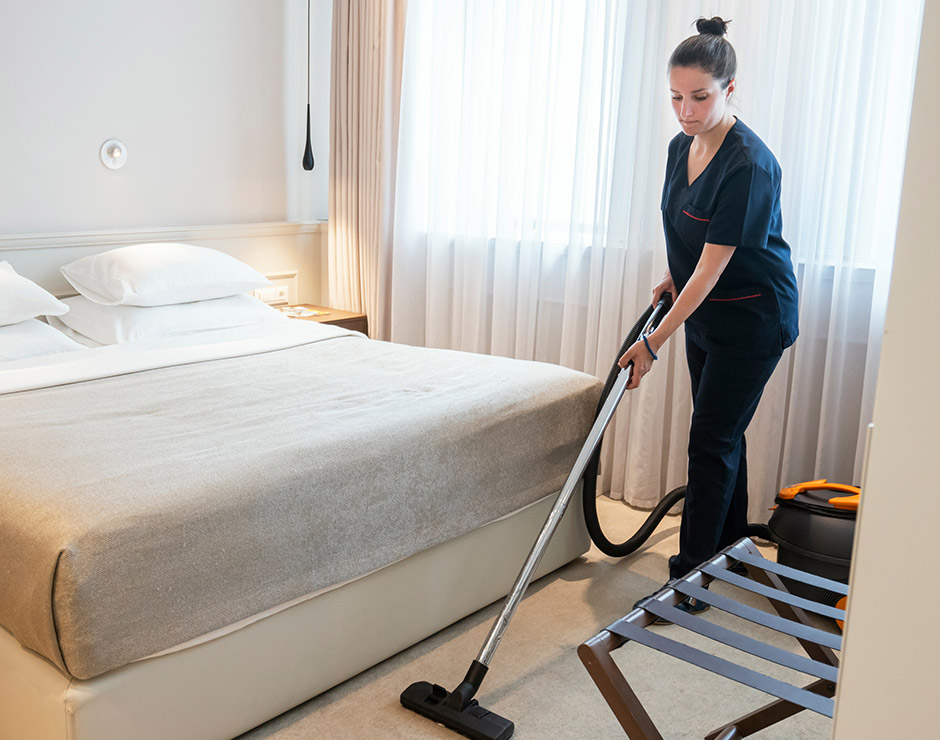
Yes, poor ventilation can make office indoor air quality significantly worse than outdoor air. Without adequate fresh air exchange, pollutants generated inside a building have nowhere to go and accumulate to concentrations that often far exceed what you would breathe on a typical city street. This applies to virtually any enclosed office environment, and the problem is more common than most organisations realise. The questions below unpack exactly how this happens, what it does to the people inside, and what offices can do about it.
How does poor ventilation cause indoor pollutants to accumulate?
Poor ventilation causes indoor pollutants to accumulate because it removes the mechanism that dilutes and removes airborne contaminants. Every office continuously generates pollutants from occupants, materials, equipment, and cleaning products. When fresh air exchange is insufficient, those pollutants build up in the enclosed space rather than being carried away, and concentrations rise steadily throughout the working day.
Ventilation works by replacing stale indoor air with outdoor air, diluting the concentration of any given contaminant. When that process is slowed or blocked, whether by sealed windows, undersized HVAC systems, blocked air intakes, or systems that simply recirculate the same indoor air, pollutants have no exit route. The longer occupants spend in the space, the higher concentrations climb. A poorly ventilated meeting room fills with carbon dioxide within minutes of occupation, and other pollutants follow the same pattern over hours and days.
The problem is compounded in modern energy-efficient buildings. Tight construction that reduces heating and cooling costs also reduces unintended air leakage, which historically acted as a natural dilution mechanism. Without deliberate mechanical compensation, airtight offices trap everything their occupants and furnishings emit.
What are the most common indoor air pollutants in offices?
The most common indoor air pollutants in offices are carbon dioxide from occupant respiration, volatile organic compounds (VOCs) from furniture, flooring, adhesives, and cleaning products, particulate matter from printers and outdoor infiltration, biological contaminants such as mould spores and dust mite allergens, and nitrogen dioxide in spaces near gas appliances or with poor outdoor air separation.
Carbon dioxide is often the most immediately measurable indicator of poor office air quality. Concentrations above roughly 1,000 parts per million, a level easily reached in crowded, poorly ventilated rooms, are associated with reduced cognitive performance and fatigue. VOCs are a broader category and include compounds like formaldehyde, which off-gasses from pressed wood furniture and carpets, as well as terpenes and other chemicals from cleaning and personal care products.
Printers and photocopiers release ultrafine particles and ozone, both of which can irritate the respiratory tract. Biological contaminants thrive wherever moisture is present, making HVAC drain pans, humidifiers, and damp ceiling tiles common sources. Each of these pollutants behaves differently, but all of them accumulate faster and reach higher concentrations when ventilation is inadequate.
How much worse can office air quality get compared to outdoors?
Office indoor air quality can be measurably worse than outdoor air in the same location, with some pollutants reaching concentrations two to five times higher indoors than outside. This is not a worst-case scenario reserved for poorly maintained buildings. It can occur in relatively modern offices whenever ventilation rates are insufficient for the number of occupants and the pollutant sources present.
Outdoor air in most Finnish cities, including the Helsinki Metropolitan Area, is generally clean by European standards. That makes the comparison striking. An office with sealed windows, an ageing HVAC system running below design capacity, and a full complement of workers can accumulate CO2, VOCs, and particulate matter to levels that would be considered elevated even by outdoor urban standards. The indoor environment lacks the natural dispersion that wind and open space provide outdoors, so every source of pollution has an outsized effect.
The gap between indoor and outdoor air quality tends to widen during winter in Finland, when windows stay closed for months and ventilation systems are sometimes throttled back to conserve heat. This seasonal pattern means workplace air quality concerns are not limited to any single time of year but tend to peak during the coldest months.
What health symptoms does poor office air quality cause?
Poor office air quality causes a recognisable cluster of symptoms often grouped under the term sick building syndrome. These include headaches, fatigue, difficulty concentrating, eye and throat irritation, nasal congestion, and dry skin. Symptoms typically improve when individuals leave the building and worsen over the course of the working week, which distinguishes them from illness caused by external factors.
Elevated carbon dioxide alone impairs cognitive function at concentrations commonly found in meeting rooms, reducing decision-making ability and increasing errors before any other symptoms appear. VOC exposure adds irritation to mucous membranes and, at sustained high levels, can contribute to longer-term respiratory sensitivity. Mould spores and dust allergens trigger asthmatic responses in susceptible individuals and cause persistent rhinitis that is often misattributed to seasonal allergies.
The productivity and wellbeing consequences are significant. Workers who experience chronic low-grade symptoms are less effective and take more sick days. Because the symptoms are diffuse and easy to attribute to other causes, poor indoor air quality often goes unidentified as the source for months or years, during which the underlying ventilation problem continues unaddressed.
Does cleaning help or worsen indoor air quality in offices?
Cleaning can both help and worsen office indoor air quality depending on how it is done. Effective cleaning removes settled dust, biological contaminants, and allergens that would otherwise become airborne, which genuinely improves air quality over time. However, conventional cleaning products that contain VOCs, fragrances, or aerosol propellants can temporarily spike indoor pollutant levels, particularly in poorly ventilated spaces.
The choice of cleaning products matters significantly. Solvent-based products, heavily fragranced sprays, and aerosol disinfectants all introduce VOCs into the indoor environment. In a well-ventilated office, these dissipate relatively quickly. In a poorly ventilated one, they linger. This is why ecological cleaning products, which avoid unnecessary chemical additives, are a meaningful factor in maintaining good workplace air quality rather than simply an environmental preference.
Timing also matters. Cleaning carried out during occupied hours in poorly ventilated spaces creates the worst-case scenario. Scheduling deep cleaning outside working hours and ensuring ventilation is running at full capacity during and after cleaning allows any residual VOCs to clear before occupants arrive. Carestep uses ecological cleaning products across its office cleaning work precisely because the chemical footprint of cleaning is a real contributor to indoor air pollution.
How can offices improve ventilation and indoor air quality?
Offices can improve ventilation and indoor air quality through a combination of mechanical upgrades, operational changes, and source control. The most impactful starting point is ensuring the existing HVAC system is functioning at its designed capacity, which means regular filter changes, duct cleaning, and professional inspection to confirm airflow rates match current occupancy levels.
Beyond maintaining existing systems, practical steps include the following:
- Increase fresh air supply rates to meet or exceed current ventilation standards, particularly in meeting rooms and other high-occupancy spaces where CO2 builds up fastest.
- Install CO2 monitors in key areas so occupants and facilities managers can see when air quality is degrading and take action, such as opening a window or reducing room capacity.
- Control pollutant sources by choosing low-VOC furniture, flooring, and cleaning products, and by placing printers in well-ventilated dedicated areas rather than open-plan workspaces.
- Schedule cleaning strategically so that chemical use during cleaning does not overlap with peak occupancy, and ensure ventilation runs at full capacity after cleaning sessions.
- Address moisture problems promptly to prevent mould growth in HVAC components, ceiling voids, and any areas prone to condensation.
- Consider air purifiers with HEPA and activated carbon filtration as a supplementary measure in spaces where mechanical ventilation cannot easily be upgraded.
In Finland, where buildings are tightly constructed and winter conditions limit natural ventilation for extended periods, mechanical ventilation systems carry the entire burden of maintaining indoor air quality for months at a time. Regular professional maintenance of those systems is not optional maintenance but a direct determinant of how healthy the workplace environment is for everyone who spends time in it.
This content was generated with the help of AI and it may contain mistakes
Published October 21, 2026