Blog
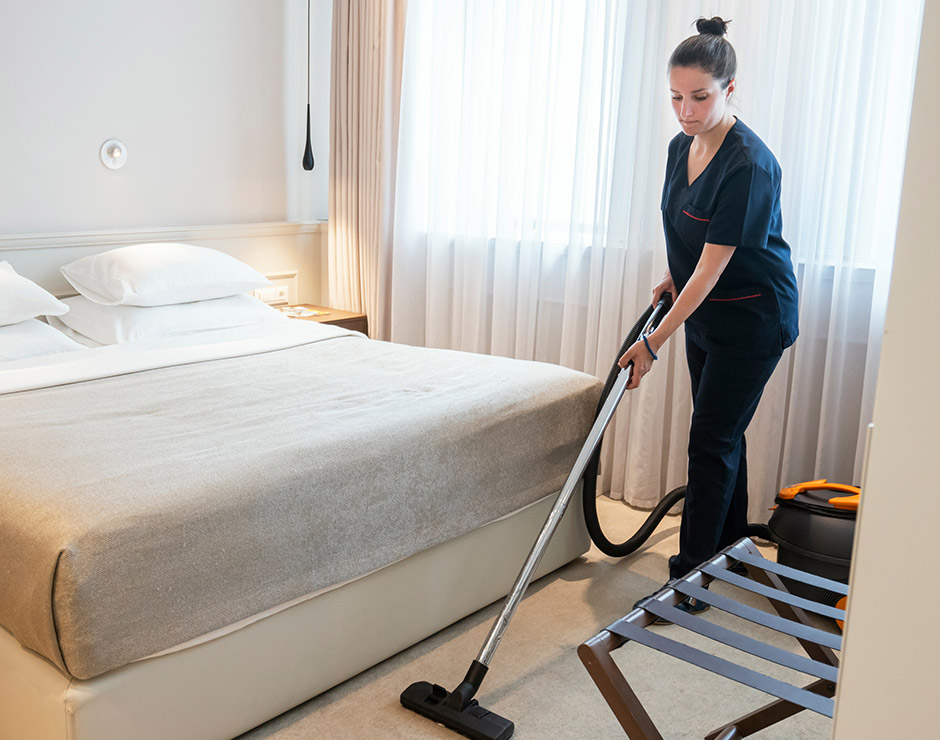
Choosing the wrong cleaning company costs businesses far more than a higher invoice. The real damage shows up in employee sick days, lost clients, regulatory risk, and the time and money spent switching providers mid-contract. For businesses operating in Helsinki and across Finland, these hidden costs can quietly erode profitability and reputation before anyone notices the source of the problem.
The sections below answer the most common questions businesses ask when evaluating cleaning service quality and the true price of getting that decision wrong.
What happens when a cleaning company underperforms?
When a cleaning company underperforms, the consequences go well beyond a dusty desk or a missed bin. Poor cleaning service quality creates a chain of operational problems: hygiene standards slip, staff morale drops, and the physical environment signals to everyone who enters that the business does not take care of its premises. These effects compound over time and become harder to reverse the longer they are ignored.
Underperformance typically shows up in predictable patterns. Cleaners arrive inconsistently, or not at all. Tasks are skipped rather than completed. Communication with the provider is slow or unresponsive. When businesses raise concerns, the response is either defensive or temporary. Each of these issues is a signal that the provider lacks the systems, accountability, or workforce stability to deliver reliable results.
The most damaging aspect of underperformance is that it is often gradual. Standards erode slowly enough that businesses adapt rather than act, tolerating conditions that would have been unacceptable at the start of the contract. By the time the decision to switch is made, the business has already absorbed months of hidden costs.
What are the financial costs of switching cleaning providers?
Switching cleaning providers carries direct and indirect financial costs that are easy to underestimate. Direct costs include time spent sourcing and vetting new providers, negotiating contracts, and managing the transition. Indirect costs include the disruption to daily operations, the risk of a gap in service coverage, and the management attention diverted from core business activity during the changeover period.
There is also the cost of the overlap period, when a business may be paying two providers simultaneously to avoid a service gap. Onboarding a new cleaning company takes time: the cleaner needs to learn the layout of the premises, understand the client’s priorities, and build a working rhythm. During this settling-in phase, service quality is rarely at its peak, which means the business continues to absorb substandard conditions even after making the switch.
Choosing the right cleaning company from the outset eliminates these costs entirely. Businesses that invest time in comparing cleaning companies before signing a contract consistently spend less over the contract lifecycle than those that switch providers repeatedly in search of acceptable quality.
How does poor cleaning affect employee health and sick days?
Poor cleaning directly increases the risk of illness spreading through a workplace, which translates into higher rates of absenteeism. Surfaces that are not regularly disinfected, ventilation grilles clogged with dust, and inadequately cleaned washrooms all create conditions where bacteria and viruses persist and spread more easily. In shared workspaces, this effect is amplified because more people come into contact with the same surfaces.
The financial impact of increased sick days is significant. Each day an employee is absent represents lost productivity, and in some roles, it triggers additional costs such as temporary cover or overtime for colleagues. Across a team of any meaningful size, even a modest increase in absenteeism driven by poor hygiene adds up to a measurable cost over a year.
Beyond the direct financial impact, employee wellbeing is tied to the physical environment. Staff who work in consistently clean, well-maintained premises report higher levels of satisfaction and engagement. A dirty or poorly maintained workplace sends a message about how much the employer values the people who work there, and that message affects retention as much as it affects health.
What reputational damage can dirty premises cause?
Dirty premises damage reputation by undermining the trust that clients, customers, and partners place in a business. First impressions are formed quickly and are difficult to reverse. For restaurants, retail stores, fitness clubs, and office environments, the cleanliness of a space communicates professionalism, competence, and care. A visibly unclean environment suggests the opposite, regardless of the quality of the service or product being offered.
For client-facing businesses, the reputational risk is immediate and tangible. A customer who encounters a dirty washroom, dusty surfaces, or unpleasant odours is unlikely to raise the issue directly. They are far more likely to leave, not return, and share their experience with others. In an environment where online reviews carry significant weight, a single negative experience linked to hygiene can influence the decisions of many future customers.
For businesses operating in regulated industries, the reputational stakes are even higher. Food service premises, healthcare-adjacent facilities, and gyms are subject to hygiene inspections, and a failed inspection is a matter of public record. The reputational damage from a compliance failure linked to cleaning standards can take considerable time and effort to repair.
What should businesses look for when comparing cleaning companies?
When comparing cleaning companies, businesses should evaluate four core factors: reliability, communication, workforce stability, and environmental standards. A provider that scores well on all four is far less likely to generate the hidden costs described above than one that competes primarily on price.
- Reliability: Does the provider have a track record of consistent service delivery? Ask for references from clients with similar premises and similar cleaning requirements.
- Communication: How quickly does the provider respond to queries or complaints? A dedicated point of contact and clear escalation processes are strong indicators of a well-run operation.
- Workforce stability: High staff turnover in cleaning companies is a root cause of inconsistent service. Providers that employ staff on permanent contracts with fair wages and invest in training tend to deliver more consistent results over time.
- Environmental standards: Ecological cleaning products and a measurable approach to sustainability are increasingly important for businesses with their own environmental commitments. Providers that monitor their carbon footprint and use certified products make it easier for clients to meet their own sustainability targets.
For businesses in the Helsinki Metropolitan Area, facility cleaning in Helsinki is a competitive market, and price alone is a poor guide to value. The lowest-cost provider frequently becomes the most expensive over the course of a contract once switching costs, service failures, and reputational risk are factored in. Asking the right questions before signing a contract is the most effective way to avoid the hidden costs of choosing the wrong cleaning company.
This content was generated with the help of AI and it may contain mistakes
Published November 4, 2026