Blog
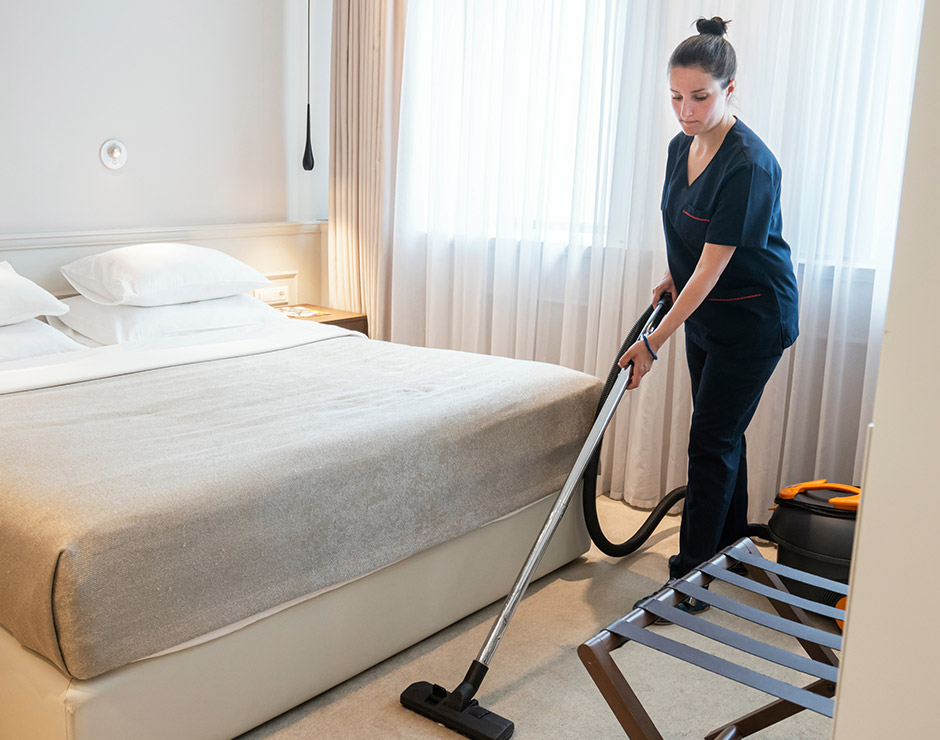
An office cleaning contract that actually works starts with a clearly defined scope of work, measurable quality standards, and terms that give you real recourse if those standards slip. The contract should reflect your specific premises, cleaning frequency, and service expectations, not just a generic template. The sections below unpack each key element, from writing the scope to knowing when it is time to renegotiate.
What should an office cleaning contract include?
A well-structured office cleaning contract should include the scope of services, cleaning frequency, quality standards, pricing and payment terms, liability provisions, and a clear process for raising concerns or ending the agreement. These elements together create a shared understanding between you and your cleaning provider that holds up in practice, not just on paper.
Beyond the basics, a strong cleaning service contract should also specify which products and equipment will be used, particularly if you have sustainability requirements or sensitive surfaces. It should name a point of contact on both sides, set expectations for access and security, and outline what happens if a scheduled clean is missed. If you operate in a regulated environment such as a food service or healthcare facility, the contract should reference any compliance obligations relevant to your premises.
Pricing terms deserve particular attention. Make sure the contract distinguishes between what is included in the regular fee and what triggers an additional charge, such as periodic deep cleans or specialist treatments like floor waxing or window cleaning. Ambiguity here is one of the most common sources of dispute in facility cleaning contracts.
How do you define the cleaning scope for your office?
To define the cleaning scope for your office, walk through your premises room by room and list every surface, area, and task that needs to be covered, then assign a frequency to each. The scope should be specific enough that any cleaner could follow it without asking for clarification.
A practical scope document typically covers daily tasks such as emptying bins, wiping surfaces, cleaning toilets, and vacuuming high-traffic areas, as well as weekly tasks like mopping floors or cleaning kitchen appliances, and monthly or periodic tasks such as descaling taps or cleaning skirting boards. The more precisely you describe the work, the easier it is to verify that it has been done.
Think about areas that are easy to overlook: entrance mats, lift buttons, light switches, overhead surfaces, and storage rooms. If you have a restaurant, retail floor, warehouse, or fitness space within your premises, those areas often carry different cleaning demands than a standard office and need their own section in the scope. Sharing a detailed floor plan with your provider at the outset helps avoid misunderstandings about what is and is not included.
What’s the difference between maintenance cleaning and deep cleaning contracts?
Maintenance cleaning refers to the regular, scheduled cleaning carried out daily or weekly to keep premises clean and functional. Deep cleaning is a less frequent, more intensive service that addresses built-up grime, hard-to-reach areas, and surfaces not covered in routine visits. Most office cleaning agreements combine both, with maintenance cleaning as the ongoing service and deep cleaning scheduled periodically.
In practical terms, maintenance cleaning keeps your office presentable and hygienic day to day. Deep cleaning goes further: it might include scrubbing grout, cleaning behind furniture, sanitising air vents, stripping and re-waxing floors, or washing windows inside and out. These tasks require different equipment, more time, and sometimes specialist products, which is why they are usually priced and contracted separately.
When reviewing a cleaning contract, check whether deep cleaning is included at a set frequency or available only as an add-on. For premises with high footfall or hygiene-sensitive operations, periodic deep cleaning is not optional. Building it into the contract from the start, rather than arranging it reactively, gives you predictable costs and ensures the work gets done on a schedule that suits your operations.
How do you evaluate and compare cleaning service providers?
To evaluate cleaning service providers, assess their experience with premises similar to yours, the clarity and transparency of their pricing, their approach to quality control, and whether their values align with yours on areas like sustainability and employment practices. Price alone is rarely a reliable guide to the quality of the service you will receive.
Start by asking each provider how they handle quality assurance: do they conduct regular inspections, use checklists, or offer a reporting mechanism? A provider that cannot clearly explain how they monitor their own work is a risk. Ask specifically about staff continuity. Frequent cleaner turnover disrupts routines and makes it harder to maintain consistent standards. Providers that assign a dedicated cleaner to your premises and invest in staff retention tend to deliver more reliable results.
Check whether the provider uses ecological cleaning products if that matters to your organisation, and ask how they handle environmental reporting. For businesses with sustainability commitments, a cleaning partner that monitors its carbon footprint and operates with a clear environmental policy is a meaningful differentiator. References from clients in similar sectors, such as offices, retail, or hospitality, are worth requesting and following up.
What terms protect you if the cleaning quality drops?
The terms that protect you when cleaning quality drops are a documented complaints process, a defined response time for resolving issues, a remedy clause that specifies what happens if standards are not met, and a termination clause that allows you to exit the contract if problems persist. Without these, you have limited leverage once the agreement is signed.
A remedy clause might state that if a complaint is not resolved within a set number of working days, you are entitled to a partial credit or a repeat clean at no charge. Some contracts include a service level agreement that defines minimum acceptable standards and ties them to specific consequences. These provisions shift accountability onto the provider and create a clear process rather than leaving disputes to informal negotiation.
Equally important is the notice period for termination. A contract that requires three to six months’ notice to exit can trap you in a poor service relationship for far longer than necessary. Aim for a notice period that reflects the size and complexity of your contract, and make sure it is mutual. You should also check whether the contract allows you to reduce or pause services without penalty if your circumstances change, for example if your team moves to hybrid working and your premises need less frequent cleaning.
When should you review or renegotiate a cleaning contract?
You should review your office cleaning contract at least once a year, or whenever your premises, headcount, or operational patterns change significantly. A contract written for a full office pre-hybrid working, for example, may no longer reflect your actual cleaning needs or represent good value.
Planned review points give you the opportunity to assess whether the scope still matches your premises, whether pricing remains competitive, and whether the quality of service has met expectations over the past term. If your team has grown, if you have taken on additional space, or if you have introduced new areas such as a canteen or gym, the cleaning scope needs to be updated to reflect that.
Renegotiation is also appropriate when a provider introduces price increases without a corresponding improvement in service, or when repeated quality issues have not been resolved despite being raised formally. Approaching a renegotiation with a clear record of concerns, a revised scope document, and an understanding of what comparable providers offer puts you in a much stronger position. In the Helsinki Metropolitan Area, where the facility cleaning market is active across Espoo, Vantaa, and Helsinki, having that market context to hand makes the conversation more straightforward.
This content was generated with the help of AI and it may contain mistakes
Published August 19, 2026