Blog
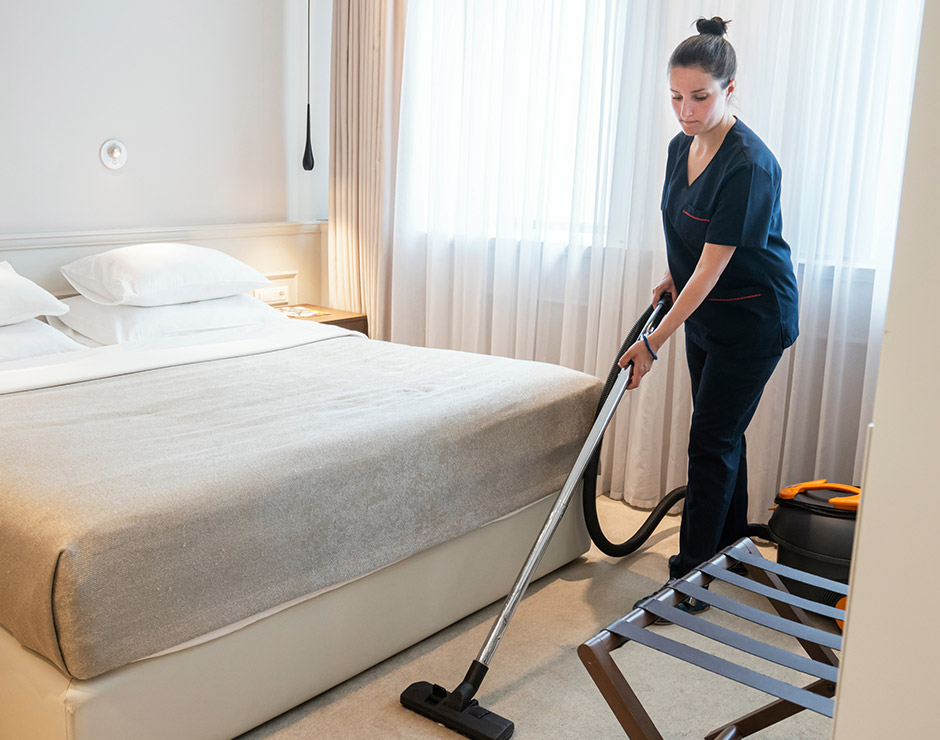
Yes, poor office hygiene directly affects both employee productivity and morale. A dirty, cluttered, or germ-laden workplace increases sick days, reduces concentration, and signals to employees that their wellbeing is not a priority. The impact is felt across every type of business, from small offices to large corporate premises. The questions below unpack exactly how and why workplace cleanliness matters so much.
How does a dirty office affect employee health?
A dirty office creates conditions where bacteria, viruses, and allergens thrive, leading to more frequent illness among staff. Shared surfaces such as keyboards, door handles, and communal kitchen equipment become transmission points for respiratory infections and stomach bugs. When workplace hygiene is neglected, employees get sick more often, and those illnesses spread quickly through teams working in close proximity.
The health consequences go beyond obvious infections. Poor air quality caused by accumulated dust, mould spores, or inadequate ventilation can trigger or worsen conditions like asthma and allergies. Employees may experience persistent headaches, fatigue, or irritated eyes and throats without identifying the office environment as the cause. Over time, these low-grade symptoms quietly erode concentration and energy levels, even when staff do not take formal sick leave.
The cumulative effect on attendance is significant. Higher rates of short-term absence place pressure on colleagues who remain in work, increasing stress and reducing overall output. Addressing office hygiene is therefore not just a matter of comfort but a genuine occupational health concern.
Why does workplace cleanliness impact productivity?
Workplace cleanliness affects productivity because a clean, organised environment reduces cognitive load and physical discomfort, allowing employees to focus on their work. When surroundings are dirty or cluttered, the brain registers disorder as a background stressor, making it harder to concentrate and easier to become distracted. The connection between a tidy environment and effective thinking is well established in occupational psychology.
There is also a practical dimension. Time spent searching through clutter, wiping down a workstation before use, or dealing with equipment that malfunctions due to dust buildup is time not spent on productive tasks. These small inefficiencies accumulate across a team and across a working year into a meaningful drag on output.
A clean office also reduces the frequency and duration of illness-related absences, which is one of the most direct ways that workplace hygiene translates into productivity. Fewer sick days mean more consistent team performance, fewer disruptions to project timelines, and less pressure on colleagues to cover absent team members.
Can a messy office lower employee morale and job satisfaction?
Yes, a messy or poorly maintained office environment lowers employee morale and job satisfaction. The physical state of a workplace communicates to employees how much an employer values them. When offices are dirty, disorganised, or neglected, staff interpret this as a signal that their comfort and wellbeing are not important, which erodes engagement and loyalty over time.
This effect is particularly pronounced in shared spaces such as kitchens, bathrooms, and meeting rooms. When these areas are consistently unclean, frustration builds among employees who feel they are working in an environment that does not meet basic standards. That frustration often surfaces in team dynamics, attitude, and ultimately in staff retention.
On the other hand, a well-maintained, clean office environment contributes to a sense of professional pride. Employees who feel comfortable and respected in their workplace tend to be more engaged, more motivated, and more likely to remain with their employer. For businesses competing for talent in 2026, the physical environment is a factor that job seekers and existing staff notice and weigh.
What areas of an office are most likely to harbour germs?
The areas of an office most likely to harbour germs are high-touch surfaces that many people use throughout the day without regular cleaning. These include keyboards, computer mice, telephones, door handles, lift buttons, light switches, and shared kitchen equipment such as kettle handles, microwave buttons, and the refrigerator door. Desks themselves accumulate bacteria at surprisingly high levels due to the amount of time people spend at them.
Shared spaces deserve particular attention:
- Kitchens and break rooms: Food preparation surfaces, sinks, and communal appliances are frequent contamination points, especially when cleaning routines are inconsistent.
- Bathrooms: Taps, door handles, and hand dryer buttons are touched repeatedly throughout the day and require thorough, frequent disinfection.
- Meeting rooms: Shared tables, presentation equipment, and chairs are often overlooked between sessions despite being used by multiple people.
- Reception areas: Visitor-facing surfaces such as sign-in screens, pens, and waiting area furniture bring external bacteria into the building regularly.
Understanding which areas carry the highest risk helps businesses prioritise their cleaning schedule and ensure that the most critical surfaces receive the attention they need.
How often should an office be professionally cleaned?
Most offices benefit from professional cleaning at least several times per week, with daily cleaning recommended for high-traffic workplaces or those with shared facilities used by many people. The right frequency depends on the size of the office, the number of employees, the nature of the work carried out, and how heavily shared spaces are used throughout the day.
A practical approach to cleaning frequency looks like this:
- Daily: Bathroom sanitation, kitchen surfaces, emptying bins, wiping high-touch points, and vacuuming or mopping floors in busy areas.
- Several times per week: Desk surfaces, meeting rooms, reception areas, and communal spaces in medium-traffic offices.
- Monthly or periodically: Deep cleaning tasks such as floor polishing, window cleaning, overhead dusting, and disinfectant cleaning of areas that are not part of routine maintenance.
Offices in sectors such as healthcare, food service, or fitness should apply stricter and more frequent schedules given the higher hygiene standards those environments demand. For businesses unsure where to start, a professional cleaning company can assess the premises and recommend a schedule tailored to actual usage patterns.
What should businesses look for in an office cleaning service?
When choosing an office cleaning service, businesses should look for reliability, clear communication, flexibility, and a demonstrable commitment to quality. The cleaning company should be able to provide a consistent, named cleaner for the premises rather than rotating unfamiliar staff, as this continuity makes quality control easier and cooperation smoother. References, transparent pricing, and a willingness to tailor services to specific needs are also important indicators of a trustworthy provider.
Beyond the basics, several factors distinguish a high-quality office cleaning service:
- Ecological cleaning products: Businesses with sustainability commitments should verify that their cleaning provider uses environmentally responsible products and monitors its environmental impact.
- Scope of services: A good provider should offer both routine maintenance cleaning and periodic deep cleaning, so all hygiene needs can be managed through a single relationship.
- Responsiveness: The ability to accommodate schedule changes, address concerns quickly, and adapt to the evolving needs of a business is a practical necessity, not a bonus.
- Social and ethical standards: Some businesses prioritise working with suppliers whose values align with their own, including fair employment practices and social responsibility.
For businesses in the Helsinki Metropolitan Area, Carestep’s office cleaning services combine professional quality with a genuine social mission, offering a cleaning partnership that supports both a healthy workplace and a more equitable workforce.
This content was generated with the help of AI and it may contain mistakes
Published August 26, 2026