Blog
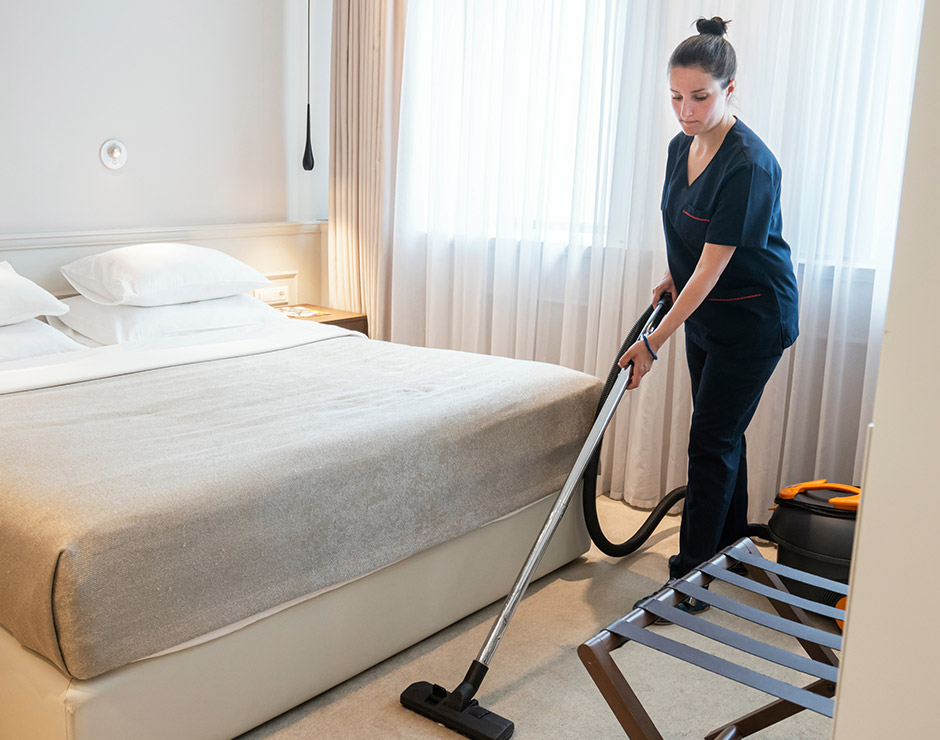
Floors that never receive professional waxing or polishing deteriorate significantly faster than maintained surfaces, often requiring full replacement within a few years instead of lasting decades. Without a protective wax or polish layer, the floor surface is exposed directly to foot traffic, moisture, and dirt, causing scratches, staining, and structural wear that compounds over time. The questions below unpack exactly how this damage unfolds and what commercial floor care actually prevents.
How quickly do unprotected floors start to deteriorate?
Unprotected commercial floors can show visible signs of deterioration within weeks of heavy use. Without a wax or polish barrier, the floor’s surface layer absorbs impact, friction, and moisture directly. In high-traffic areas such as entrances, corridors, and retail floors, scratches and dullness typically appear within the first month, and deeper structural damage follows within six to twelve months of neglect.
The speed of deterioration depends on foot traffic volume, the type of footwear entering the space, and whether cleaning staff are using appropriate methods. A restaurant or fitness club floor, for example, faces constant foot traffic combined with moisture and cleaning chemicals, which accelerates surface breakdown far faster than a low-traffic office corridor. The absence of a protective coating means every mop pass and every footstep works directly against the floor material itself rather than against a sacrificial layer designed to absorb that wear.
What types of damage does missing floor wax actually cause?
Skipping floor waxing causes several distinct types of damage: surface scratching, deep staining, moisture penetration, and loss of structural integrity. Each type of damage builds on the previous one, meaning a floor that starts with cosmetic scratches will eventually develop porous, stained, and structurally compromised surfaces if professional floor care is never applied.
Surface scratching is the first and most visible consequence. Grit and debris carried in on footwear act like sandpaper against an unprotected floor, grinding away the finish. Once the surface is scratched, it becomes porous, allowing liquids, cleaning agents, and bacteria to penetrate deeper into the material. This leads to stubborn staining that cannot be removed by routine cleaning alone. Over time, moisture penetration can cause warping in wood floors, cracking in vinyl, and the undermining of adhesive bonds in tile installations. At this stage, the damage is no longer cosmetic but structural, meaning repair or replacement becomes unavoidable.
Which floor types suffer the most without regular polishing?
Vinyl, linoleum, and hardwood floors suffer the most from a lack of regular polishing, as these materials rely heavily on a surface coating to protect their relatively soft or porous cores. Natural stone and unsealed concrete are also vulnerable, though for different reasons related to porosity rather than surface softness.
Vinyl and linoleum
Vinyl and linoleum are among the most common commercial floor materials precisely because they are cost-effective and easy to maintain when properly cared for. Without regular waxing, however, their surface layers wear away quickly under foot traffic, leaving a dull, scratched, and bacteria-retaining surface. In commercial environments such as retail stores or warehouses, this degradation can make a floor look years older within a single season.
Hardwood and natural stone
Hardwood floors without polishing lose their protective finish and become vulnerable to moisture damage, warping, and deep scratching. Natural stone floors, including marble and granite, become dull and porous without regular professional floor maintenance, allowing staining agents to penetrate the stone itself. Once staining reaches this depth, surface cleaning cannot reverse it, and restoration requires specialist grinding or resealing treatments.
Does skipping professional waxing cost more in the long run?
Yes, skipping professional floor waxing consistently costs more in the long run. The cost of routine floor maintenance is a fraction of the cost of floor repair or full replacement, which becomes necessary when deterioration is allowed to progress unchecked. For commercial premises, floor replacement also carries indirect costs, including business disruption, temporary closure, and reputational impact on clients and customers.
Consider a vinyl floor in a commercial space. Regular professional floor care extends its functional lifespan significantly, often by many years. Without it, the same floor may need replacement in a fraction of that time. The cumulative cost of periodic waxing and polishing is almost always lower than a single full floor replacement, even before factoring in the labour and disruption that replacement involves. Protecting the floor surface is, in practical terms, protecting a capital investment in the premises itself.
How often should commercial floors be professionally waxed or polished?
Most commercial floors benefit from professional polishing every one to three months, with full waxing or recoating carried out one to four times per year depending on traffic levels and floor type. High-traffic commercial environments such as restaurants, fitness clubs, and retail stores typically need more frequent attention than low-traffic office spaces.
A practical approach is to schedule professional floor maintenance as part of a broader periodic cleaning plan rather than reacting to visible damage. Maintenance cleaning between professional treatments, such as regular sweeping and damp mopping with appropriate products, extends the life of each wax coat and reduces how often full reapplication is needed. The right frequency is ultimately determined by how quickly the surface shows wear, which a professional cleaner can assess during routine visits.
What does professional floor waxing actually involve?
Professional floor waxing involves a structured process of cleaning, stripping old product, applying fresh wax or polish in multiple layers, and buffing to a consistent finish. It is not simply applying a product to a dirty floor, which is a common misconception that leads to poor results when floor care is attempted without professional expertise.
The process typically begins with a thorough deep clean to remove all dirt, grease, and residue. If old wax is present, a stripping solution is applied to remove it completely, since applying new wax over degraded old coats traps dirt and produces an uneven result. Once the floor is clean and dry, wax or polish is applied in thin, even layers, with each layer allowed to dry before the next is added. Finally, a high-speed buffing machine is used to bring the surface to a consistent, durable shine.
Professional floor care services use products and equipment calibrated to the specific floor type, which matters considerably. The wrong wax formulation or buffing speed can damage certain materials, particularly softer vinyls or natural stone. This is why professional floor polishing delivers results that in-house attempts with general-purpose products rarely replicate. At Carestep, floor waxing and polishing is carried out using ecological products suited to each floor surface, ensuring the finish is both durable and environmentally responsible.
This content was generated with the help of AI and it may contain mistakes
Published August 28, 2026