Blog
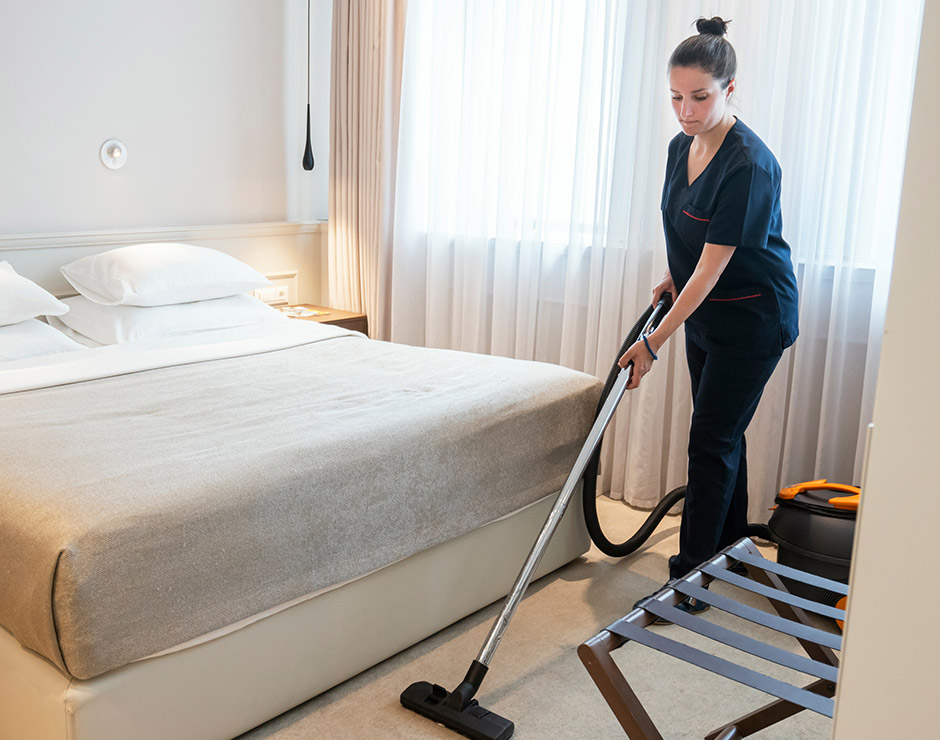
Both chemical and non-chemical disinfection methods can effectively reduce harmful pathogens in workplace environments, but neither is universally better. The right choice depends on the type of surfaces, the level of contamination risk, the presence of vulnerable people, and your organisation’s health and environmental priorities. The questions below unpack each factor so you can make a confident, informed decision for your workplace.
What’s the difference between chemical and non-chemical disinfection?
Chemical disinfection uses active substances such as alcohol, chlorine-based compounds, quaternary ammonium compounds, or hydrogen peroxide to kill or inactivate pathogens on surfaces. Non-chemical disinfection achieves the same goal through physical means, most commonly steam cleaning, UV-C light exposure, or electrostatic methods, without relying on biocidal substances to do the work.
The distinction matters because each approach carries different implications for safety, environmental impact, surface compatibility, and cost. Chemical disinfectants work by disrupting microbial cell walls or metabolic processes, while non-chemical methods typically use heat, radiation, or electrical charge to destroy or deactivate microorganisms. Both can achieve high levels of pathogen reduction, but they do so through entirely different mechanisms, which determines where each is most appropriate.
When is chemical disinfection the right choice at work?
Chemical disinfection is the right choice when you need fast-acting, broad-spectrum pathogen control across large or complex surfaces, particularly after confirmed illness outbreaks, in high-touch shared areas, or in settings where regulatory standards require a verified biocidal agent. It remains the most widely validated approach for eliminating a broad range of bacteria, viruses, and fungi reliably.
Workplaces where chemical disinfection is clearly appropriate include:
- Kitchens and food preparation areas in restaurants or staff canteens, where food safety regulations often specify approved disinfectants
- Healthcare-adjacent spaces such as clinic rooms, first-aid areas, or wellness facilities
- Shared bathrooms and locker rooms with high footfall and moisture
- Any surface or area following a confirmed case of a contagious illness
- Warehouses and logistics environments where cross-contamination between staff teams is a risk
The key advantage of chemical disinfection in these contexts is speed and certainty. Most approved disinfectants have clearly defined contact times and kill rates, making it straightforward to demonstrate compliance with hygiene standards.
When does non-chemical disinfection work better in the workplace?
Non-chemical disinfection works better when the priority is reducing chemical exposure for staff or building occupants, protecting sensitive equipment or materials that react badly to liquid disinfectants, or achieving a more sustainable cleaning operation. It is particularly effective for routine disinfection in low-to-medium-risk environments where ongoing chemical use would be unnecessary or harmful.
Steam cleaning, for example, reaches temperatures that kill the majority of common pathogens without leaving chemical residues on surfaces. This makes it well suited to upholstered furniture, carpeted areas, gym equipment, and food contact surfaces where chemical residues would be a concern. UV-C disinfection is increasingly used in offices and healthcare settings to treat air and hard surfaces in unoccupied rooms, offering a hands-off approach that requires no wiping or rinsing.
Non-chemical methods are also a strong choice for organisations with staff who have chemical sensitivities or respiratory conditions, as repeated exposure to disinfectant sprays in enclosed spaces can aggravate these issues over time.
Are non-chemical disinfection methods as effective as chemical ones?
Non-chemical disinfection methods can be equally effective to chemical ones when applied correctly and in appropriate conditions, but they are not universally interchangeable. Effectiveness depends heavily on the method used, the pathogen targeted, and whether the application reaches all contaminated surfaces thoroughly.
Steam cleaning at sufficient temperatures eliminates a wide range of bacteria and viruses on contact, with no dilution errors or missed contact times to worry about. UV-C light is highly effective against airborne pathogens and surface contamination in enclosed spaces, provided there are no shadowed areas where microorganisms can shelter from the light. The limitation of non-chemical methods is often coverage and consistency: steam requires direct application, and UV-C light cannot penetrate around corners or under objects.
Chemical disinfectants, by contrast, can be sprayed, wiped, or fogged into hard-to-reach areas and have well-documented, independently verified kill rates for specific pathogens. For situations requiring a guaranteed, auditable level of disinfection, chemical methods currently have a stronger evidence base. For everyday maintenance disinfection in standard office or retail environments, non-chemical methods are often entirely sufficient.
What are the health and environmental risks of chemical disinfectants?
Chemical disinfectants carry real health and environmental risks that are worth weighing carefully. For people, repeated exposure to disinfectant sprays or residues can irritate the respiratory tract, skin, and eyes, and some compounds have been linked to occupational asthma with long-term use. For the environment, many conventional disinfectants introduce biocidal compounds into wastewater systems, contributing to antimicrobial resistance and ecological harm.
The most commonly cited concerns include:
- Respiratory irritation: Volatile organic compounds in spray disinfectants can aggravate asthma and cause throat and lung irritation, especially in poorly ventilated spaces
- Skin and eye contact: Many disinfectants require protective gloves and eye protection for safe handling
- Antimicrobial resistance: Overuse of biocidal agents is increasingly associated with the development of resistant microbial strains, a growing public health concern
- Aquatic toxicity: Quaternary ammonium compounds and chlorine-based products can be harmful to aquatic ecosystems when they enter waterways
- Indoor air quality: Residual chemical concentrations can linger in enclosed workplaces, affecting air quality for hours after application
Choosing eco-friendly disinfection products, using the minimum effective concentration, and ensuring adequate ventilation during and after application significantly reduces these risks without compromising hygiene outcomes.
How should you choose a disinfection method for your workplace?
Choose a disinfection method by first assessing your workplace’s risk level, surface types, occupant needs, and sustainability goals, then matching those factors to the strengths of chemical or non-chemical approaches. No single method suits every workplace, and most organisations benefit from a combination of both.
A practical decision framework looks like this:
- Identify your risk level: High-risk environments such as food service, healthcare-adjacent spaces, or post-illness situations call for verified chemical disinfection. Standard offices and retail premises can often rely on non-chemical or eco-friendly disinfection for routine cleaning.
- Consider your occupants: If staff or visitors include people with respiratory conditions, chemical sensitivities, or allergies, minimise chemical disinfectant use and favour steam or UV-C alternatives where possible.
- Check surface compatibility: Delicate materials, electronics, and upholstered surfaces often respond better to steam than to liquid chemical disinfectants.
- Review your sustainability commitments: If your organisation tracks its environmental footprint, switching to ecological disinfection products or non-chemical methods reduces your Scope 3 emissions and aligns your cleaning operation with your broader sustainability goals.
- Consult your cleaning provider: A professional disinfecting cleaning service can assess your premises and recommend a tailored approach that balances hygiene standards, occupant safety, and environmental responsibility.
The most effective workplace disinfection programmes are not one-size-fits-all. They combine the reliability of targeted chemical disinfection where it is genuinely needed with the safety and sustainability advantages of non-chemical methods everywhere else, resulting in a cleaner, healthier, and more responsible workplace for everyone in it.
This content was generated with the help of AI and it may contain mistakes
Published September 22, 2026